Photographing Heroes

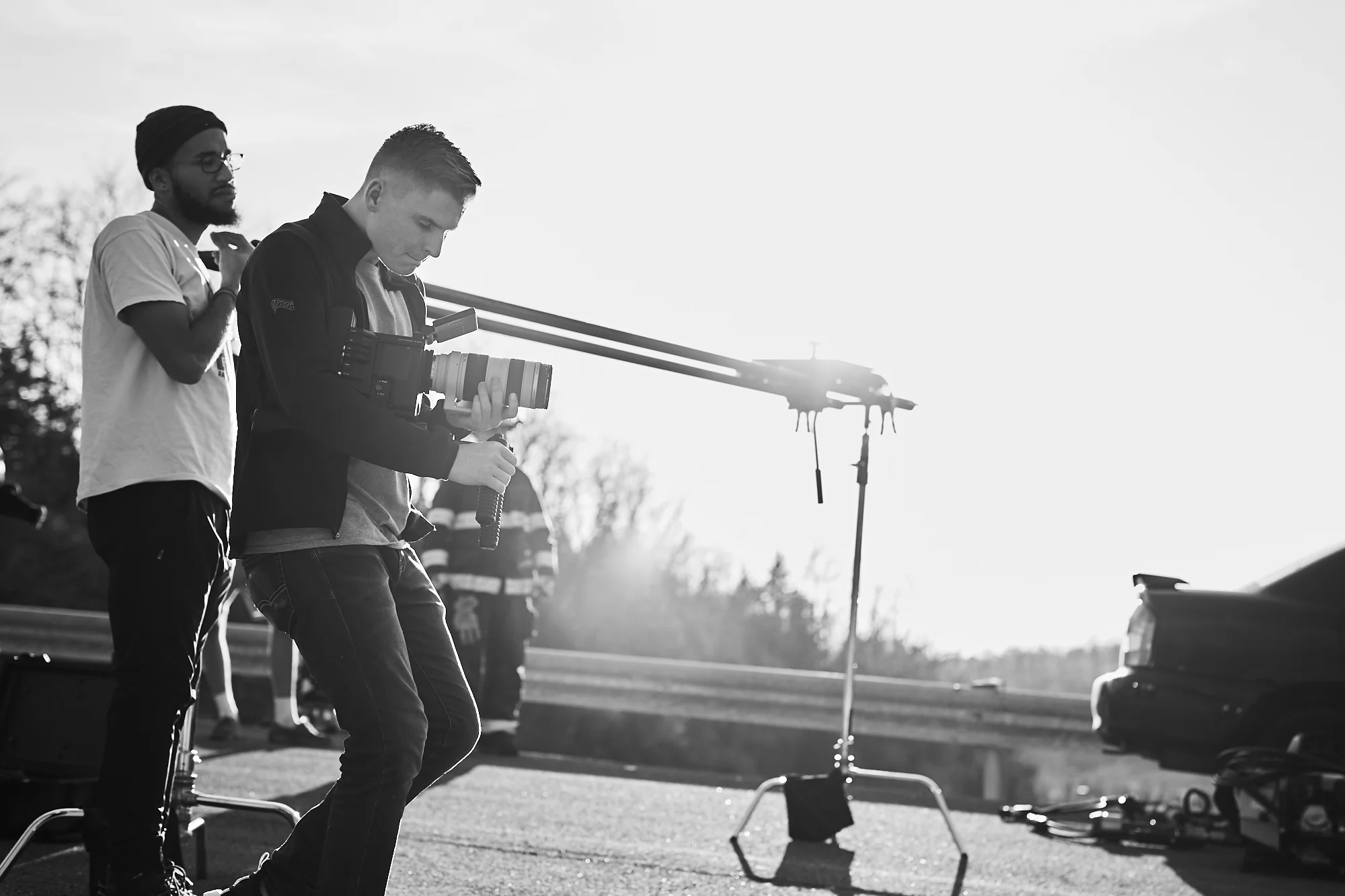
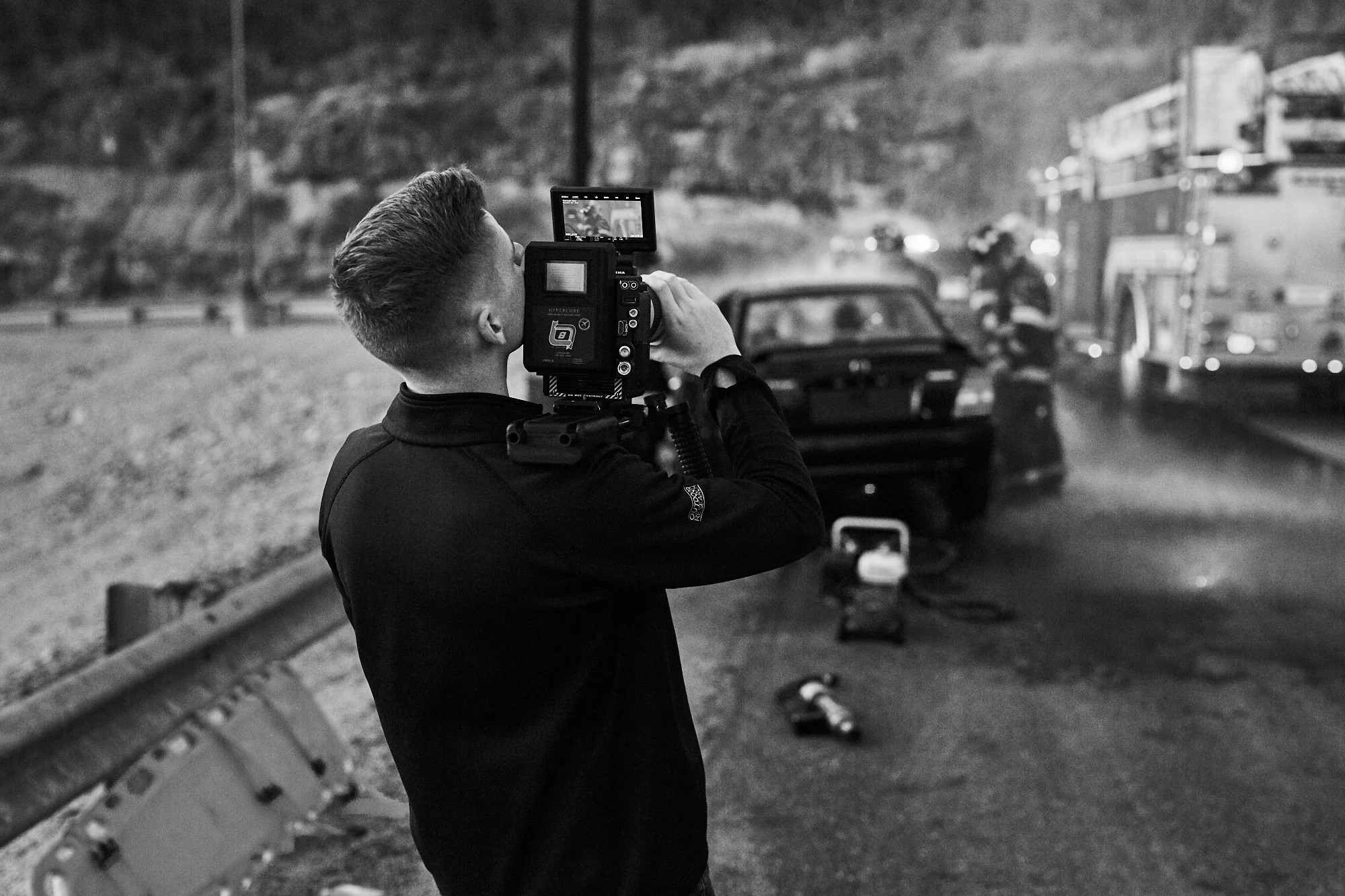
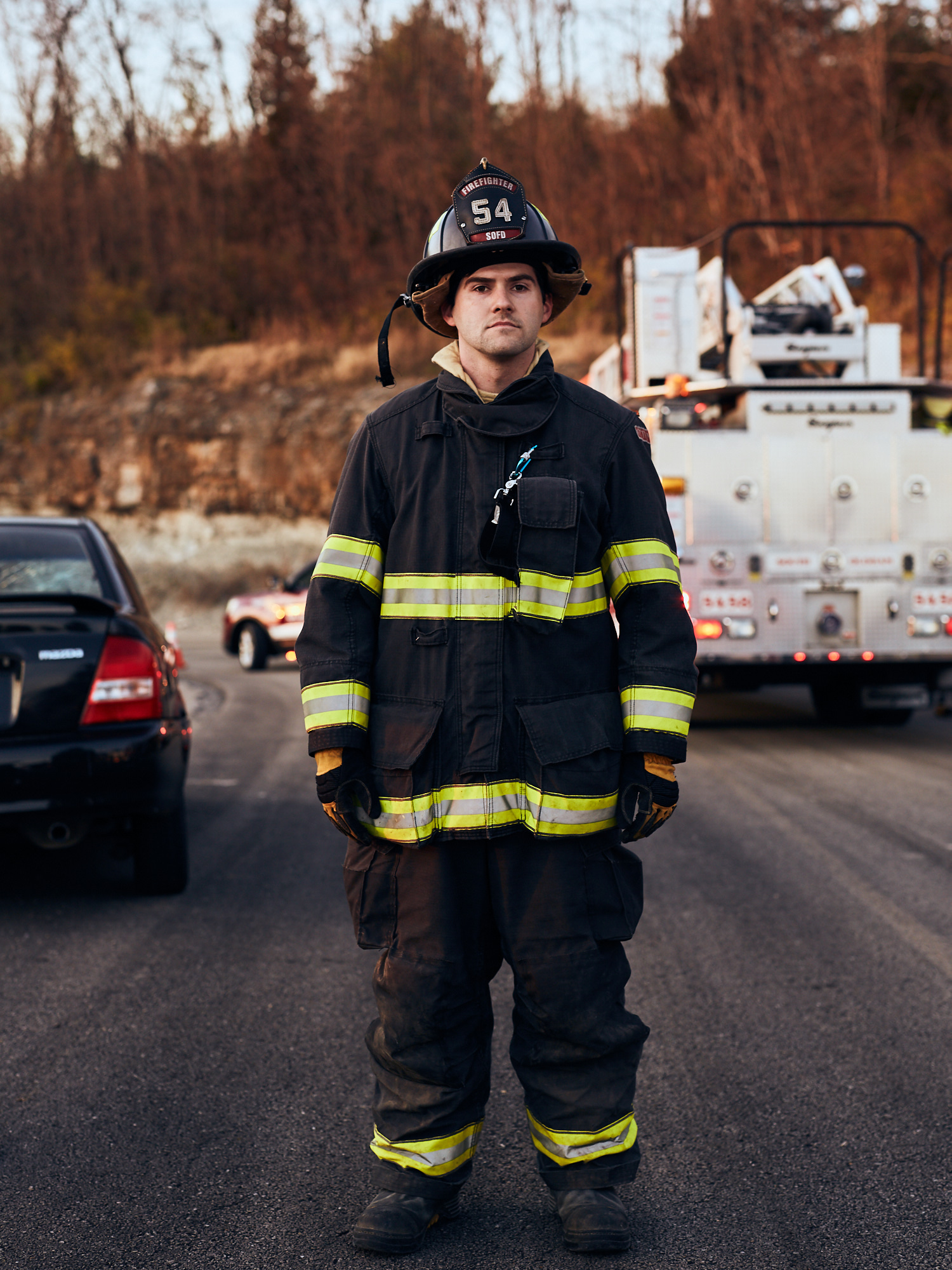
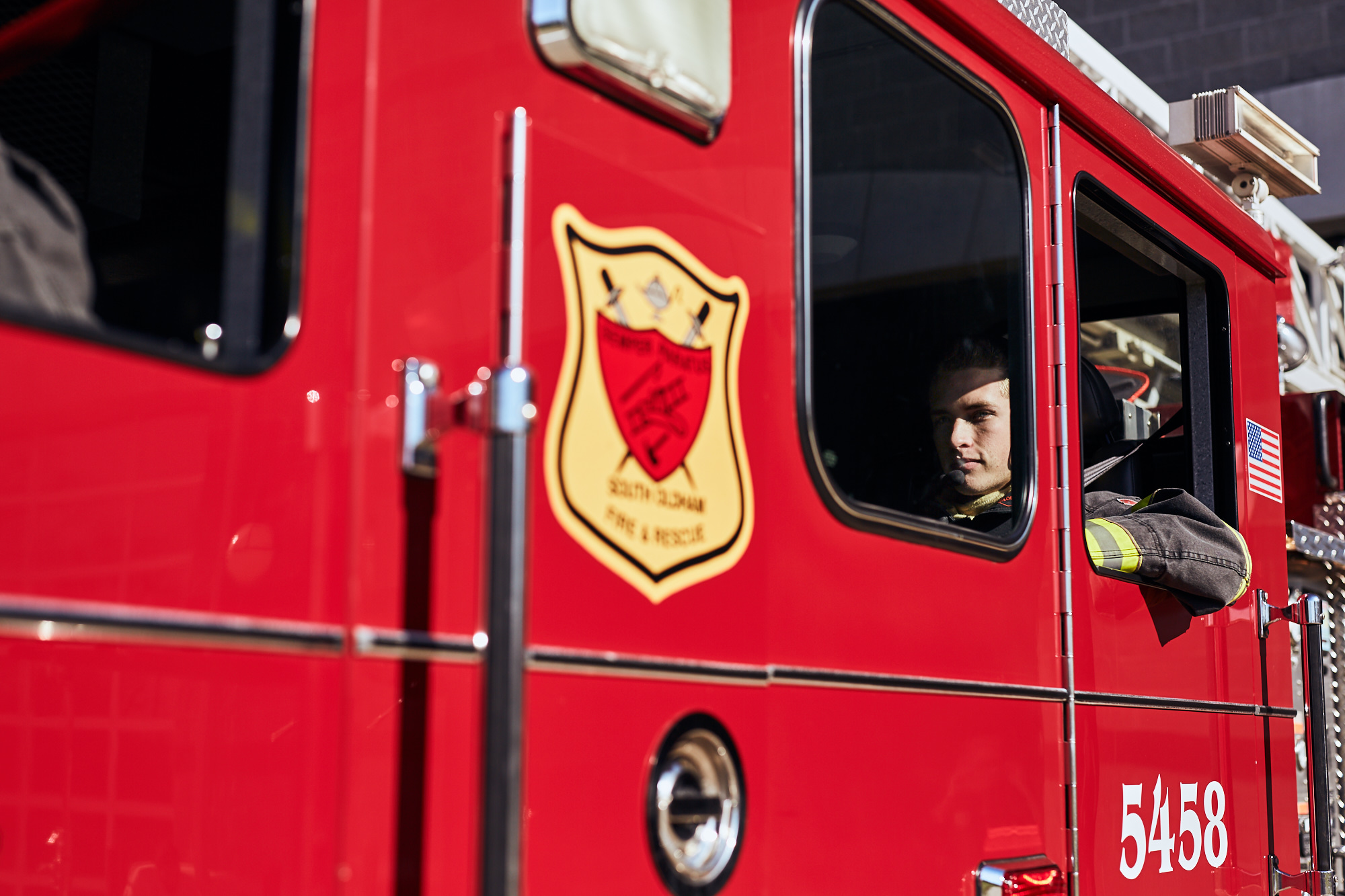
This past weekend I had the privilege of photographing the South Oldham Firedepartment. My director friend Mike Vance (http://themikevance.com/) was shooting a commercial for the local fire department and asked if I wanted to come along to capture behind the scenes shots and production stills of the shoot. 

Mike Vance and Qaaim Nayyir on location

Mike Vance and Qaaim Nayyir on location

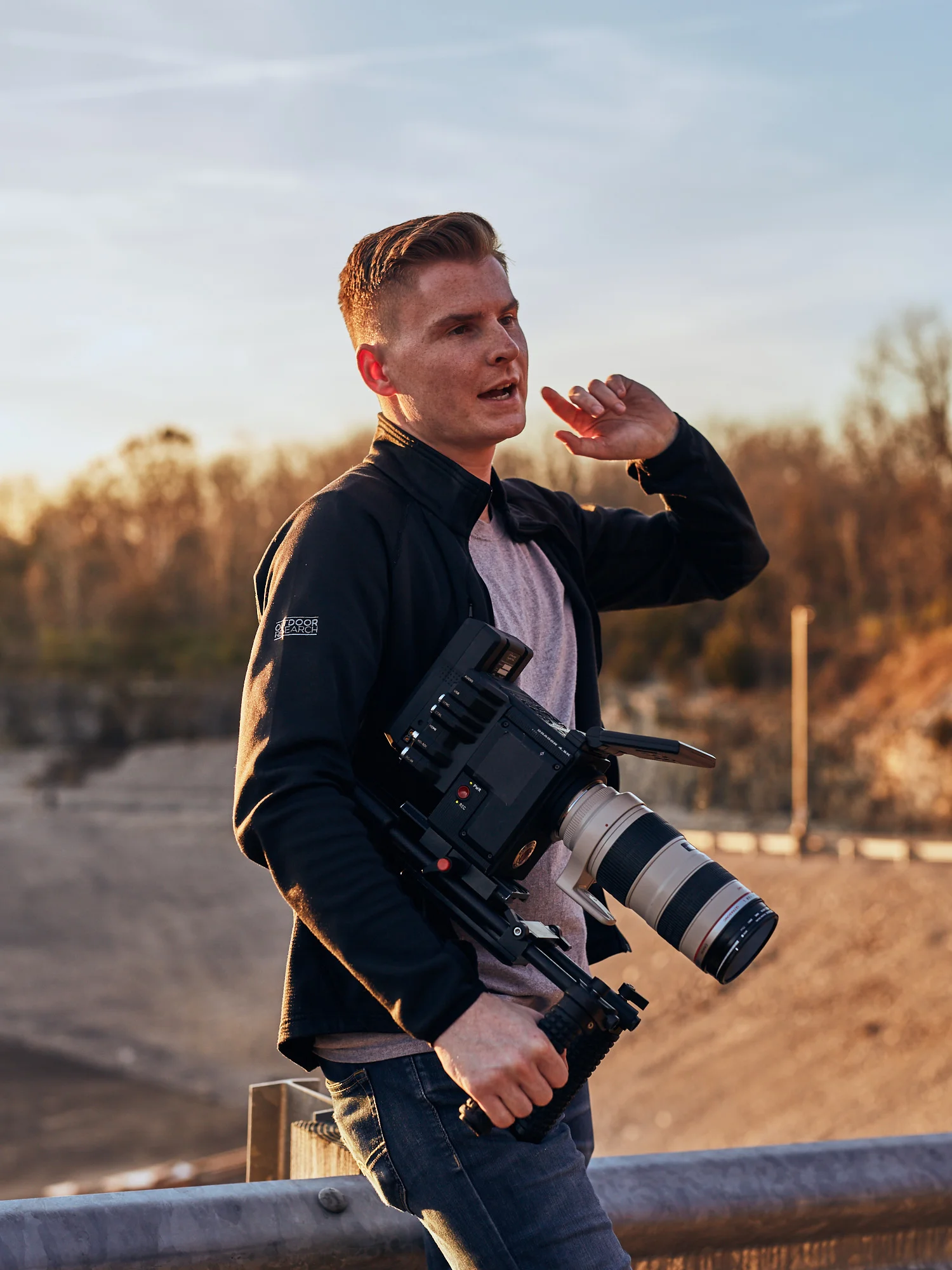
Mike Vance

Mike Vance

Mike Vance, commercial film director

Mike Vance, commercial film director

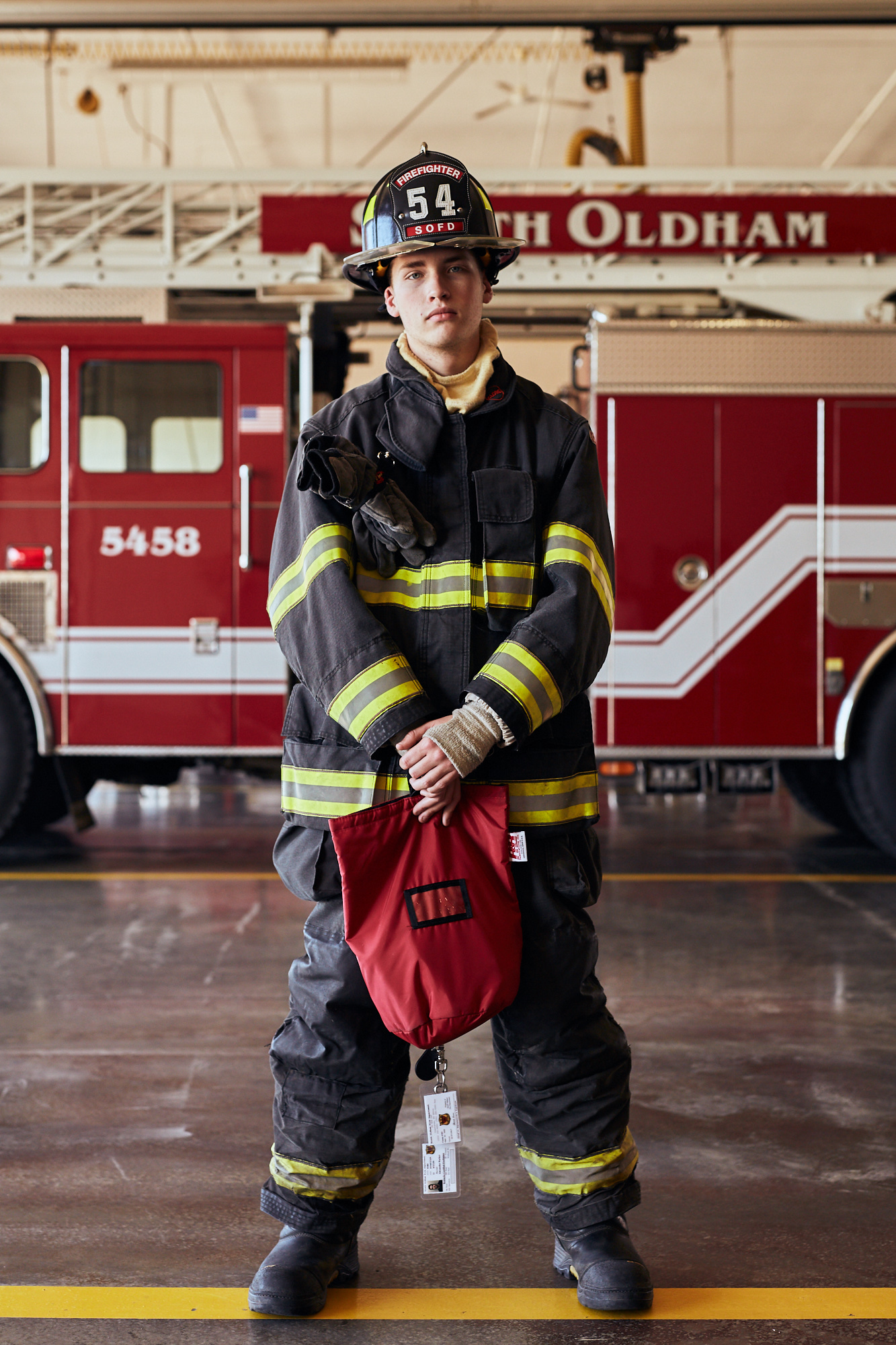
We shot some still and video portraits both in the fire station and on the "crash" location. The whole idea behind the commercial was to highlight the volunteer fighters and that anyone can volunteer as a firefighter. 

south_oldham_fire_department_20171202_Ryan_Noltemeyer_31_WEB.jpg
south_oldham_fire_department_20171202_Ryan_Noltemeyer_86_WEB.jpg
south_oldham_fire_department_20171202_Ryan_Noltemeyer_37_WEB.jpg

The second location was a staged crash site on a closed off road. We had them spray some water in the air to mimic rain, and combined with the beautiful Kentucky sunset we got some really awesome images!

Here is a slideshow of my picks from the shoot.

Gear:

Liz Richter - Creative Space

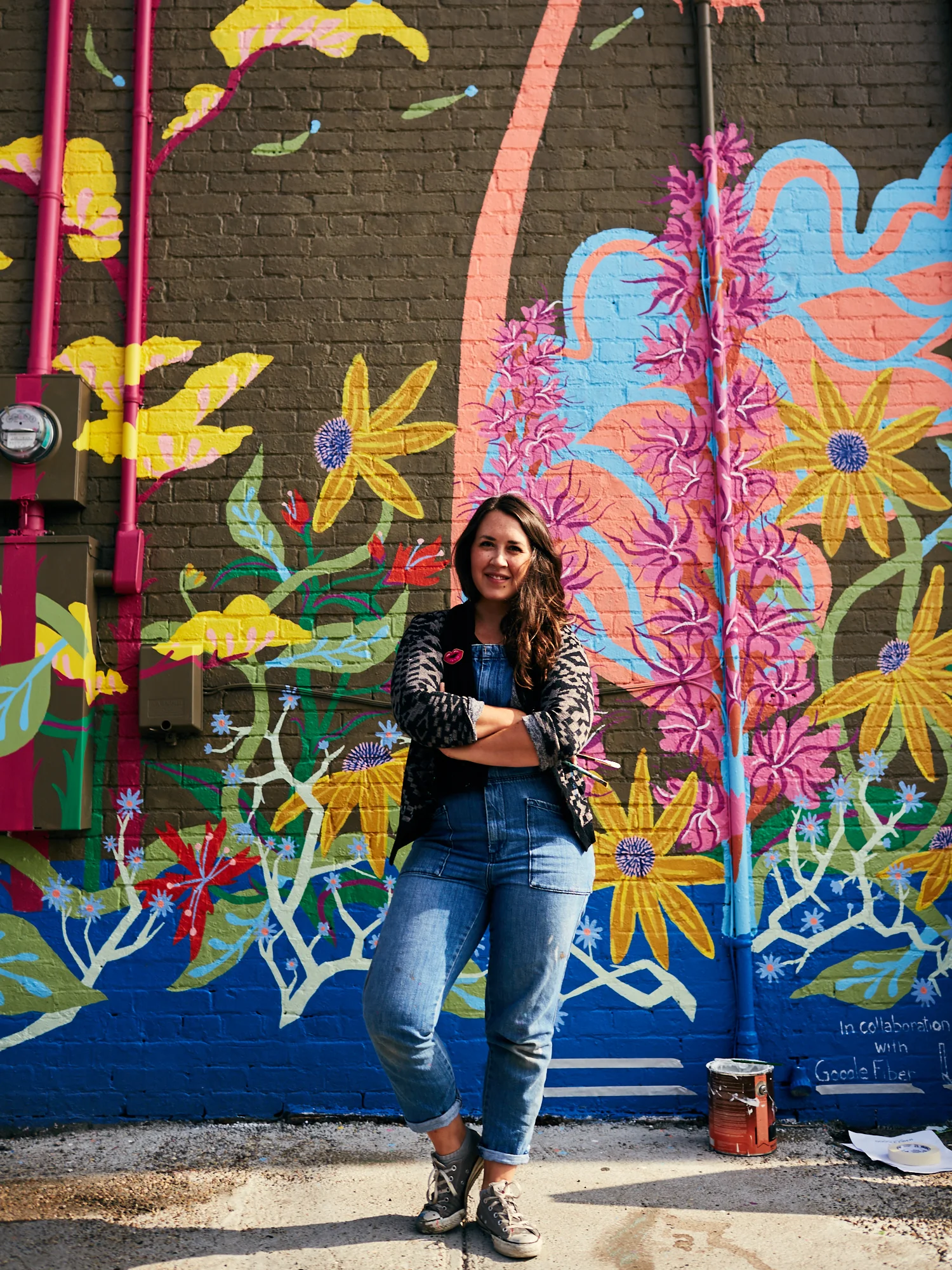
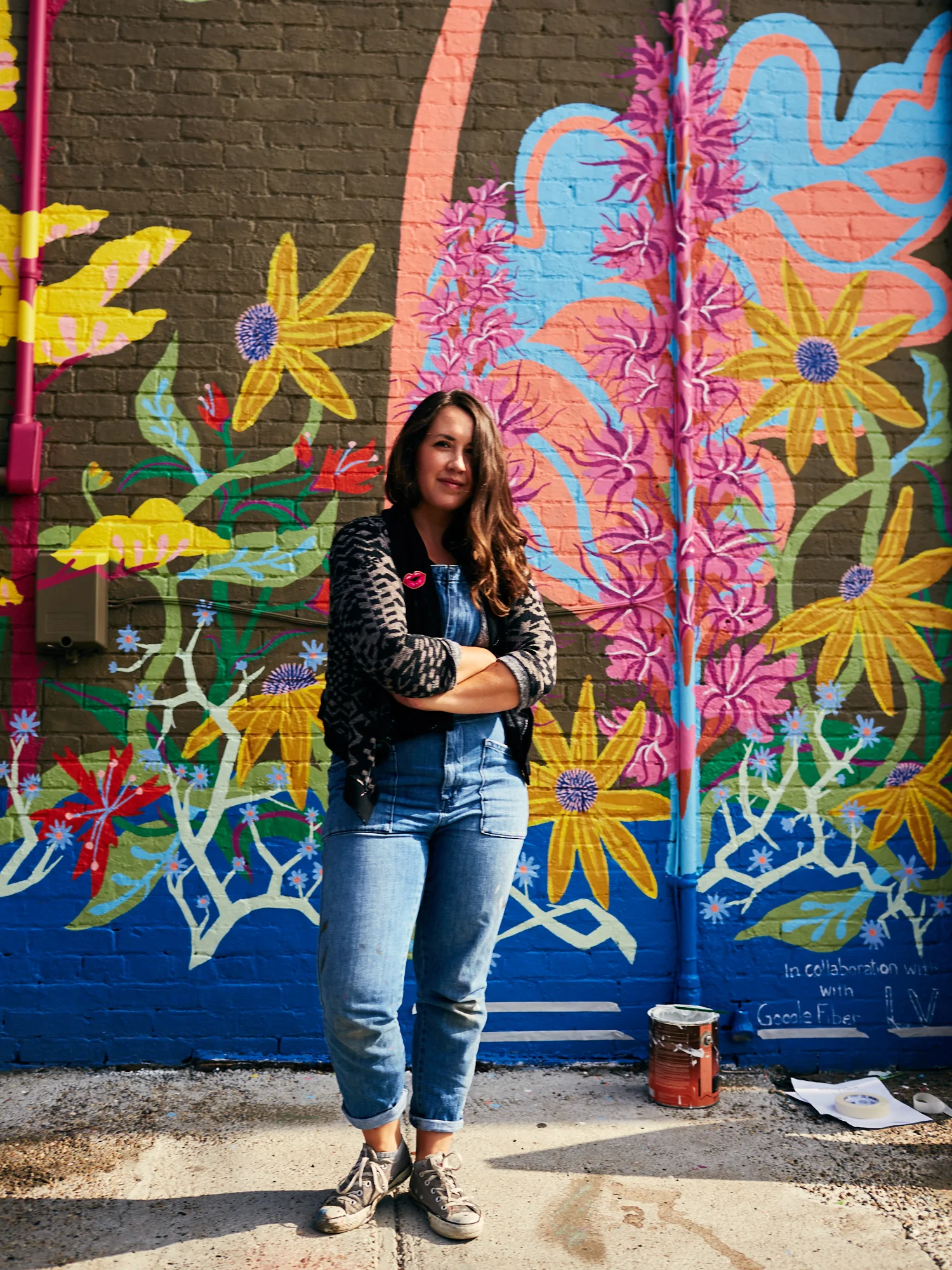
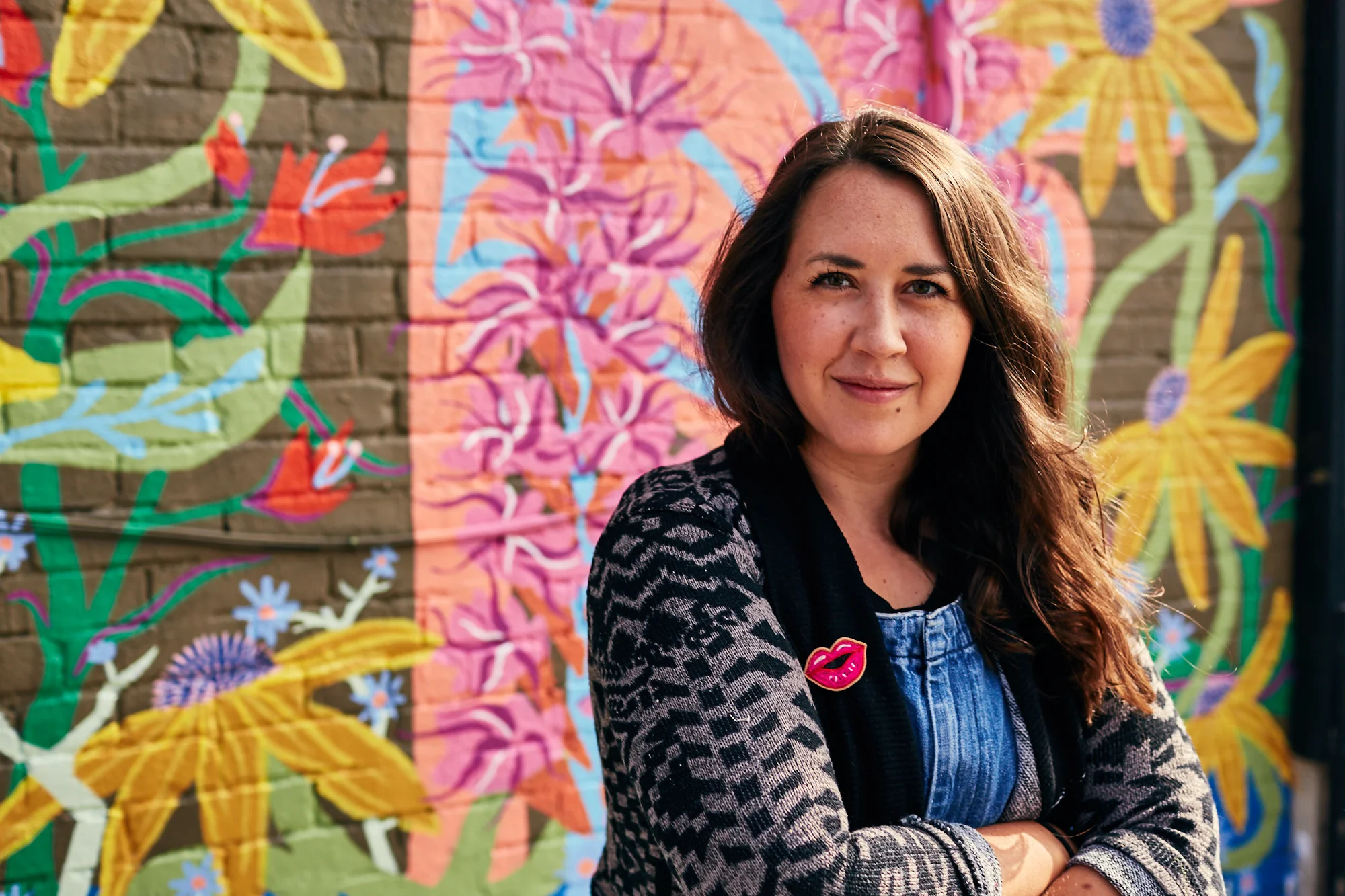
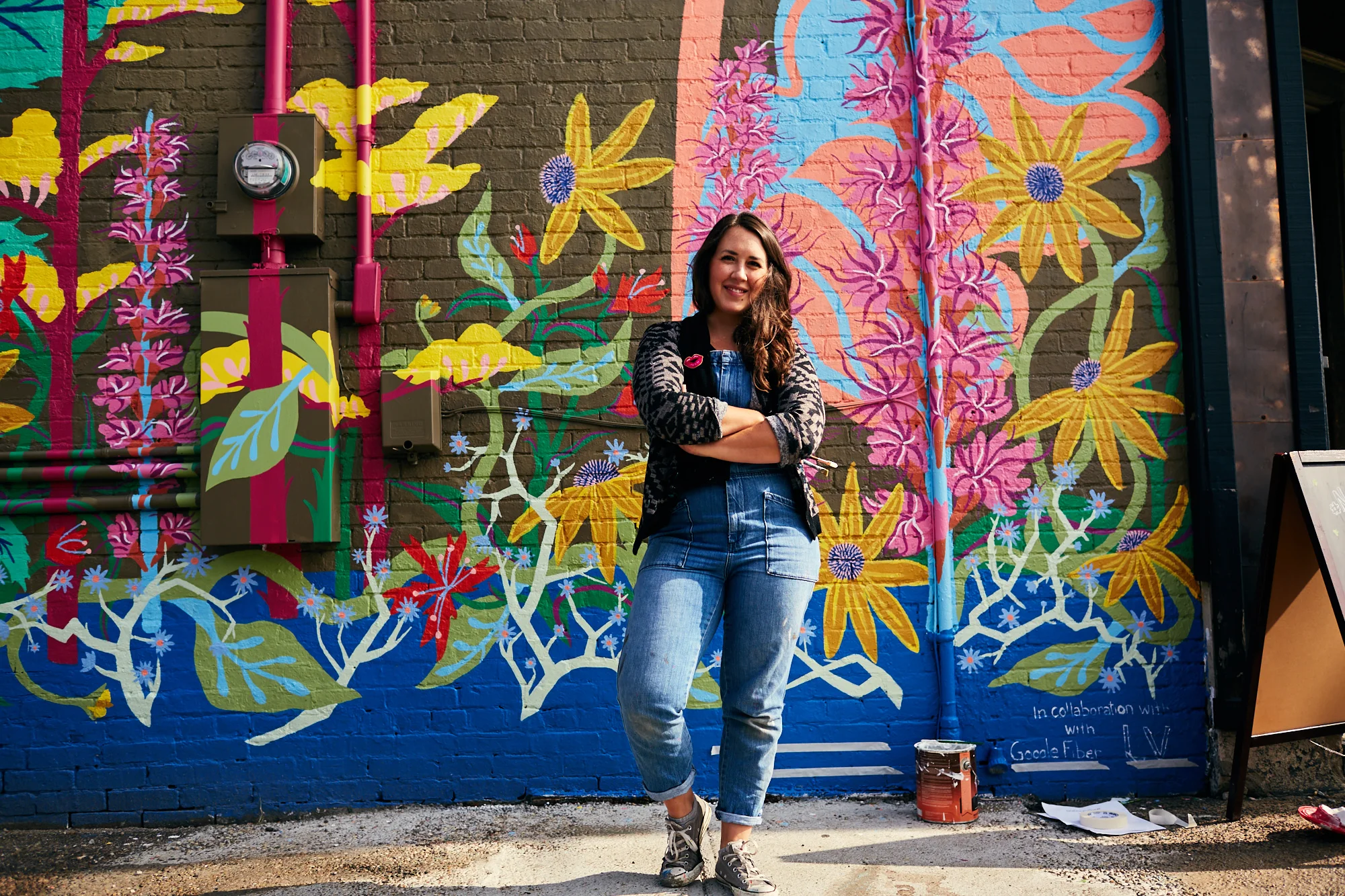
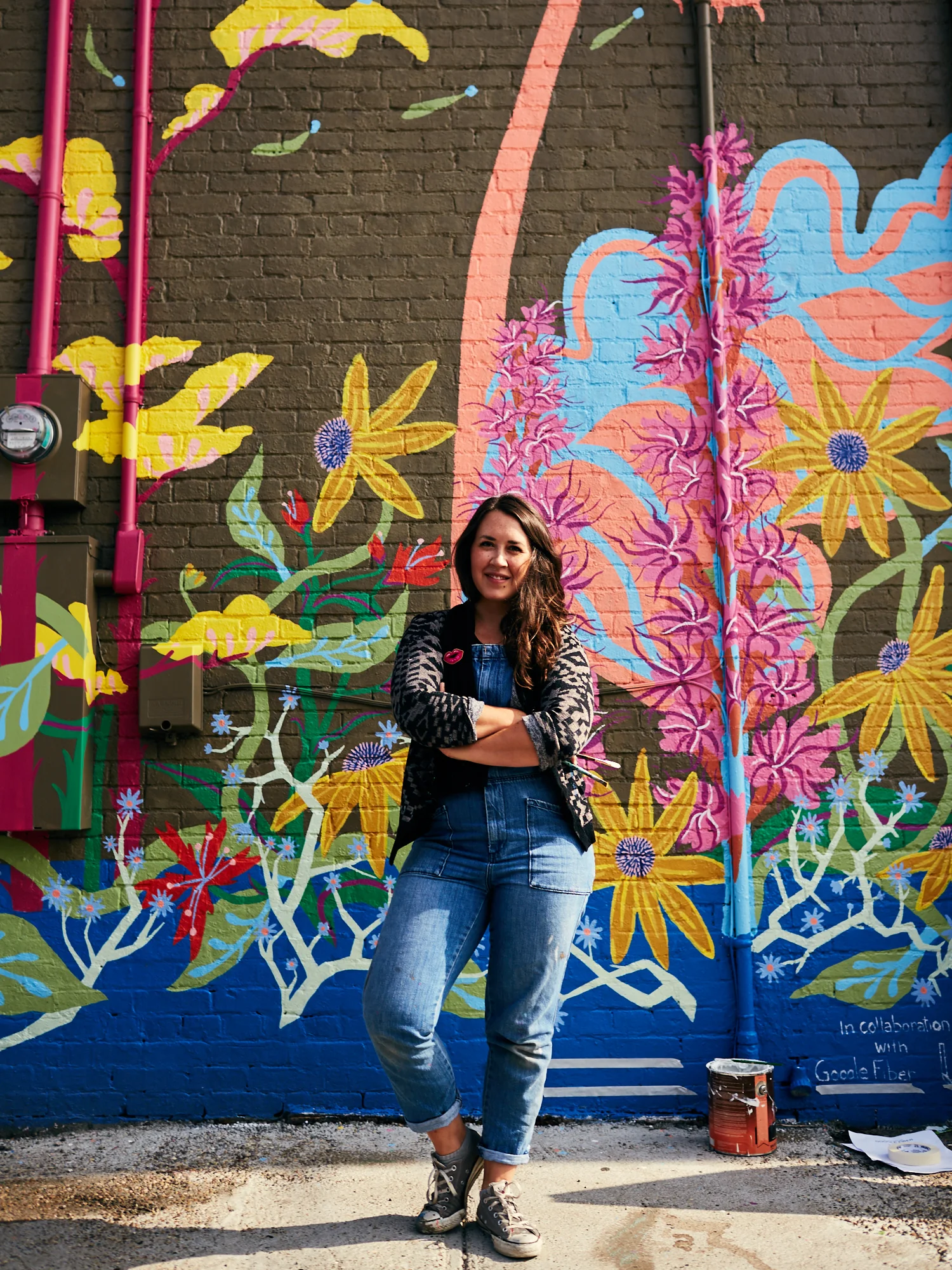
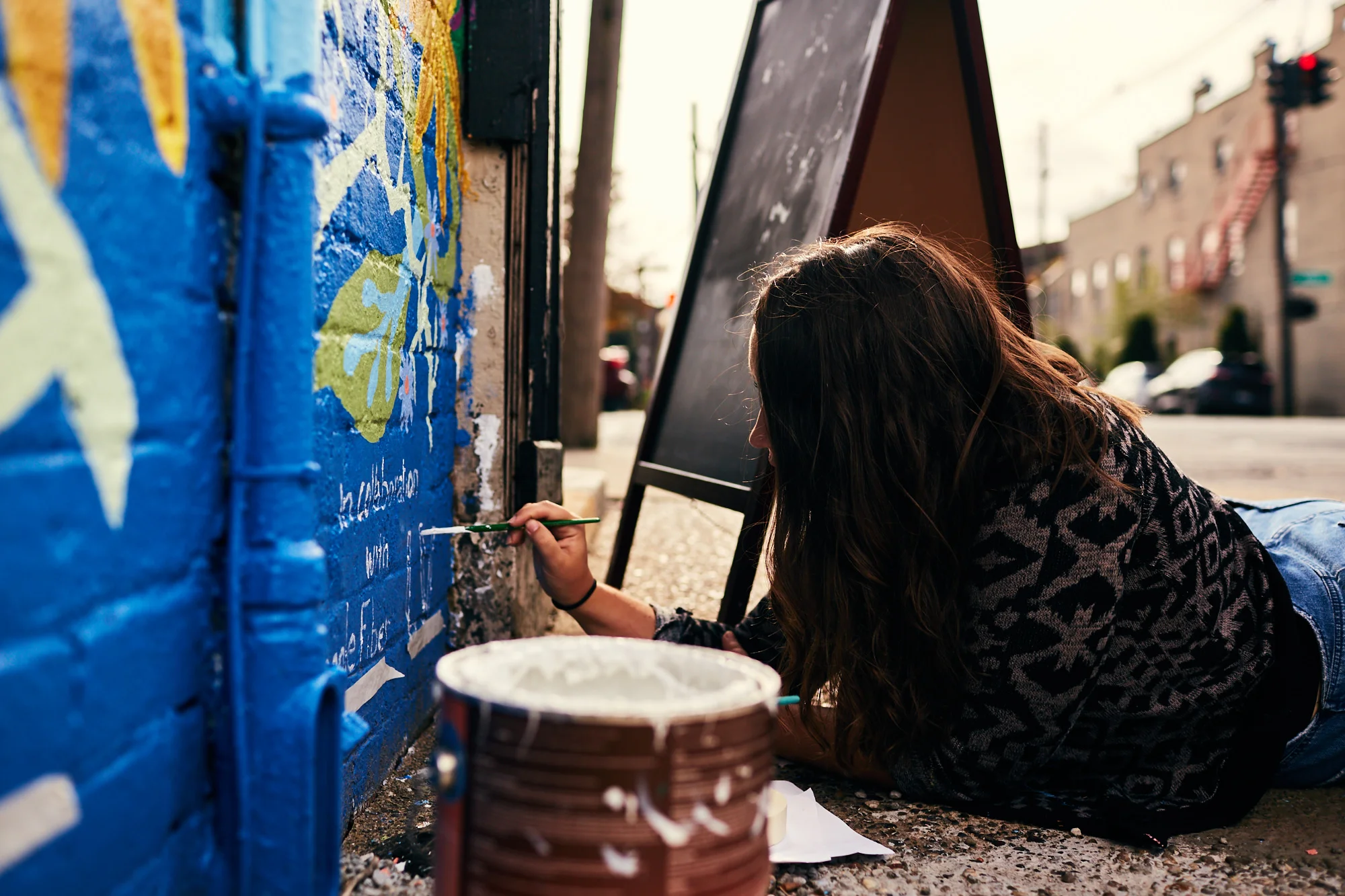
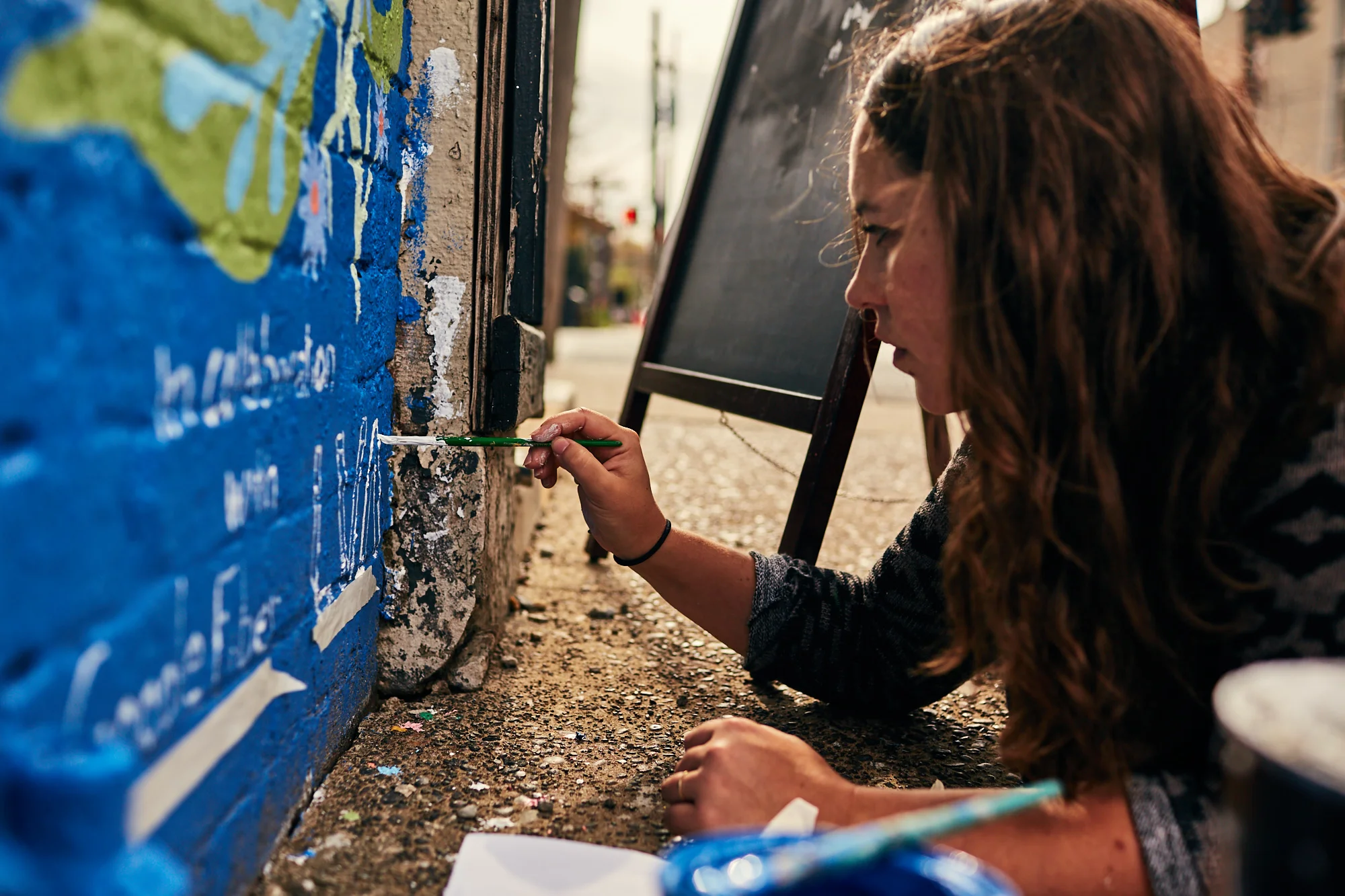
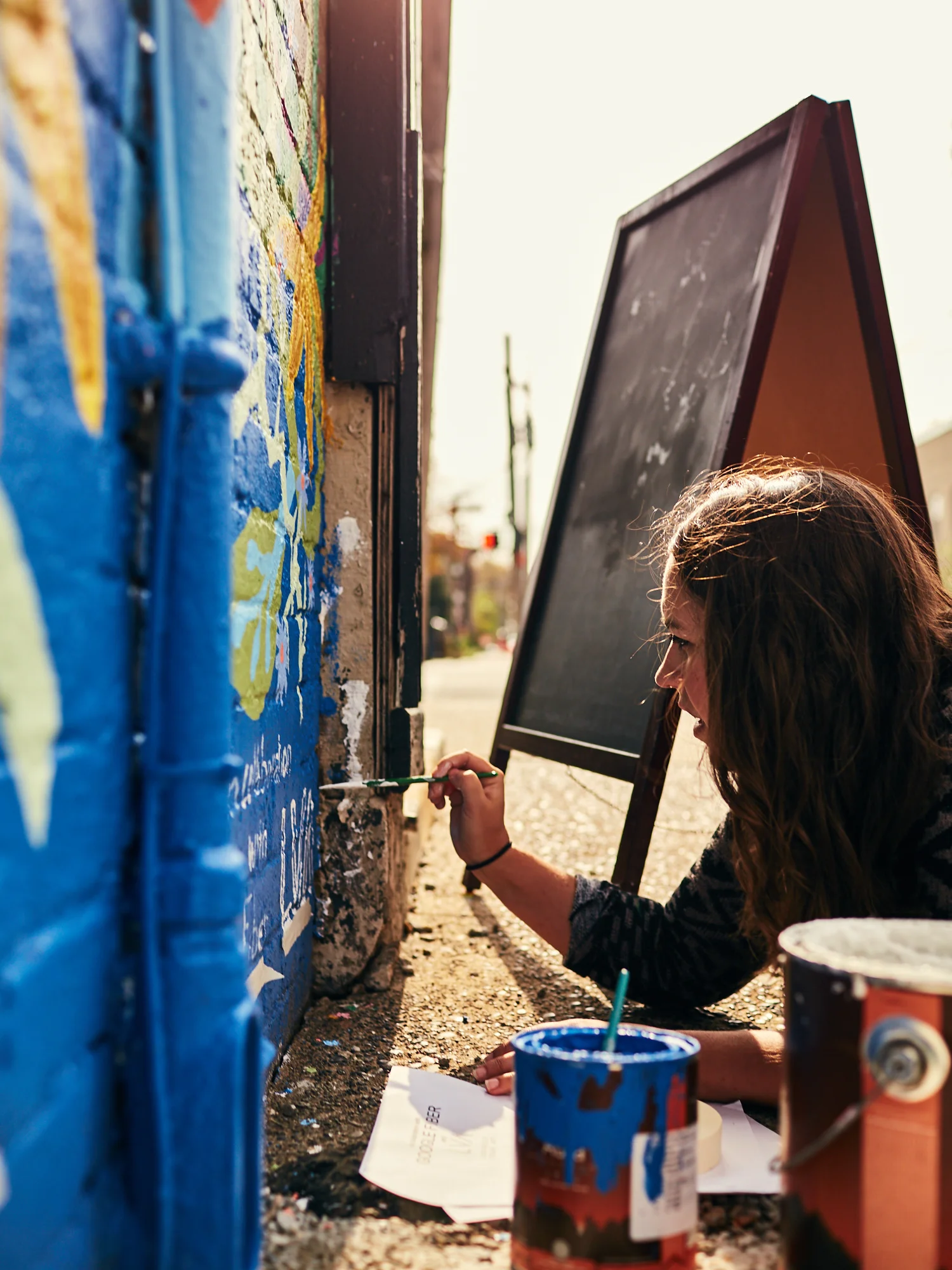
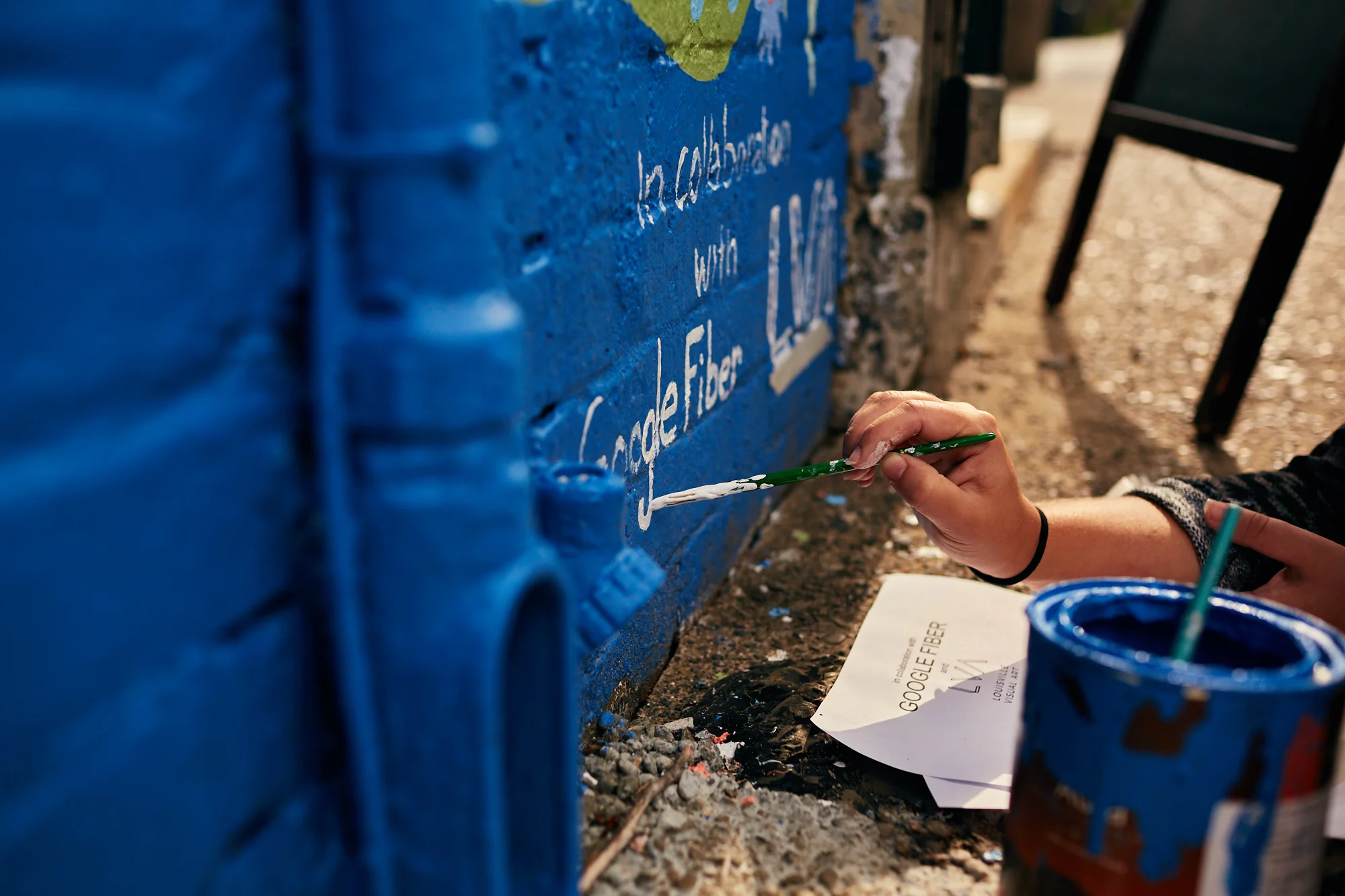
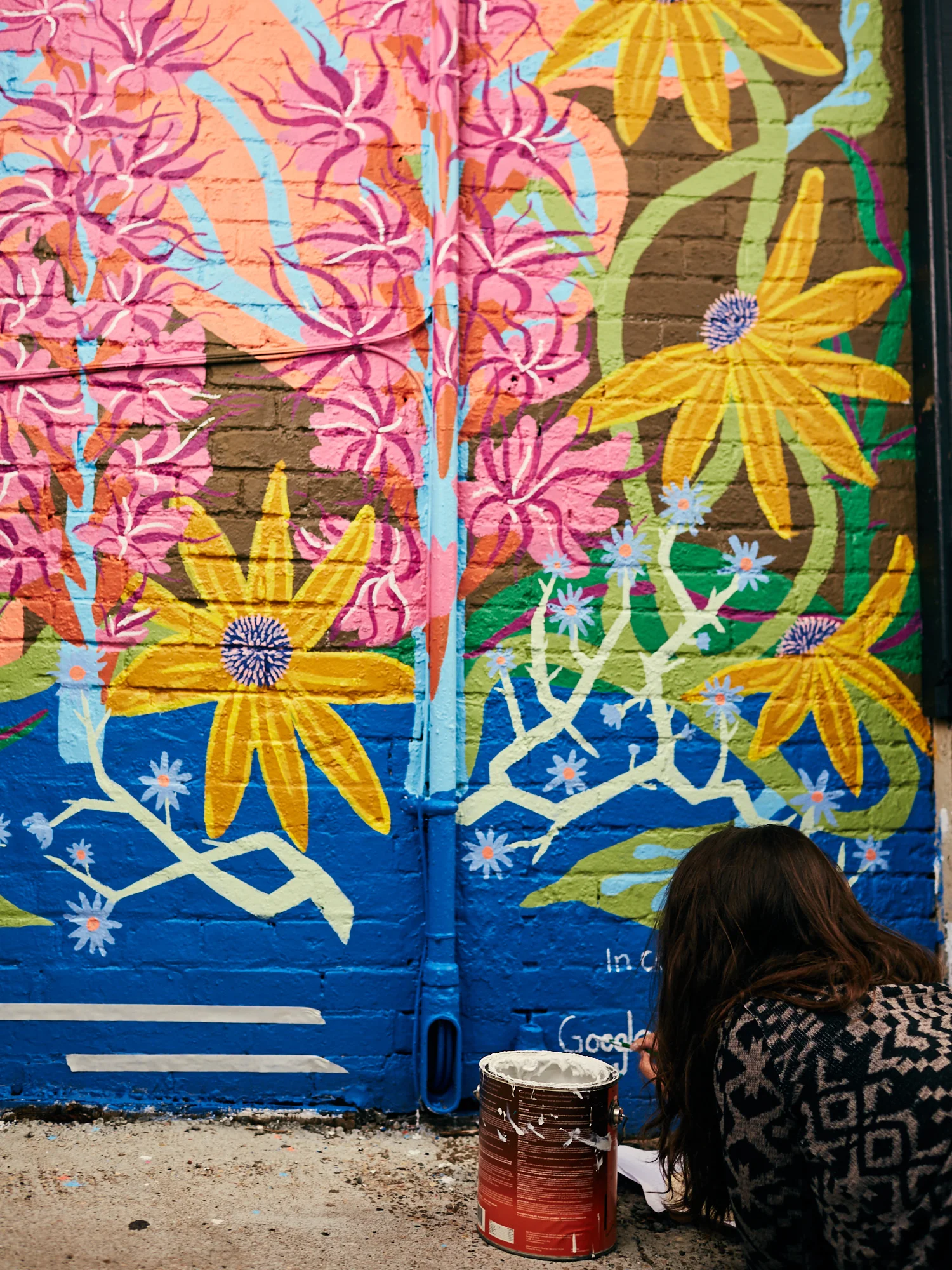
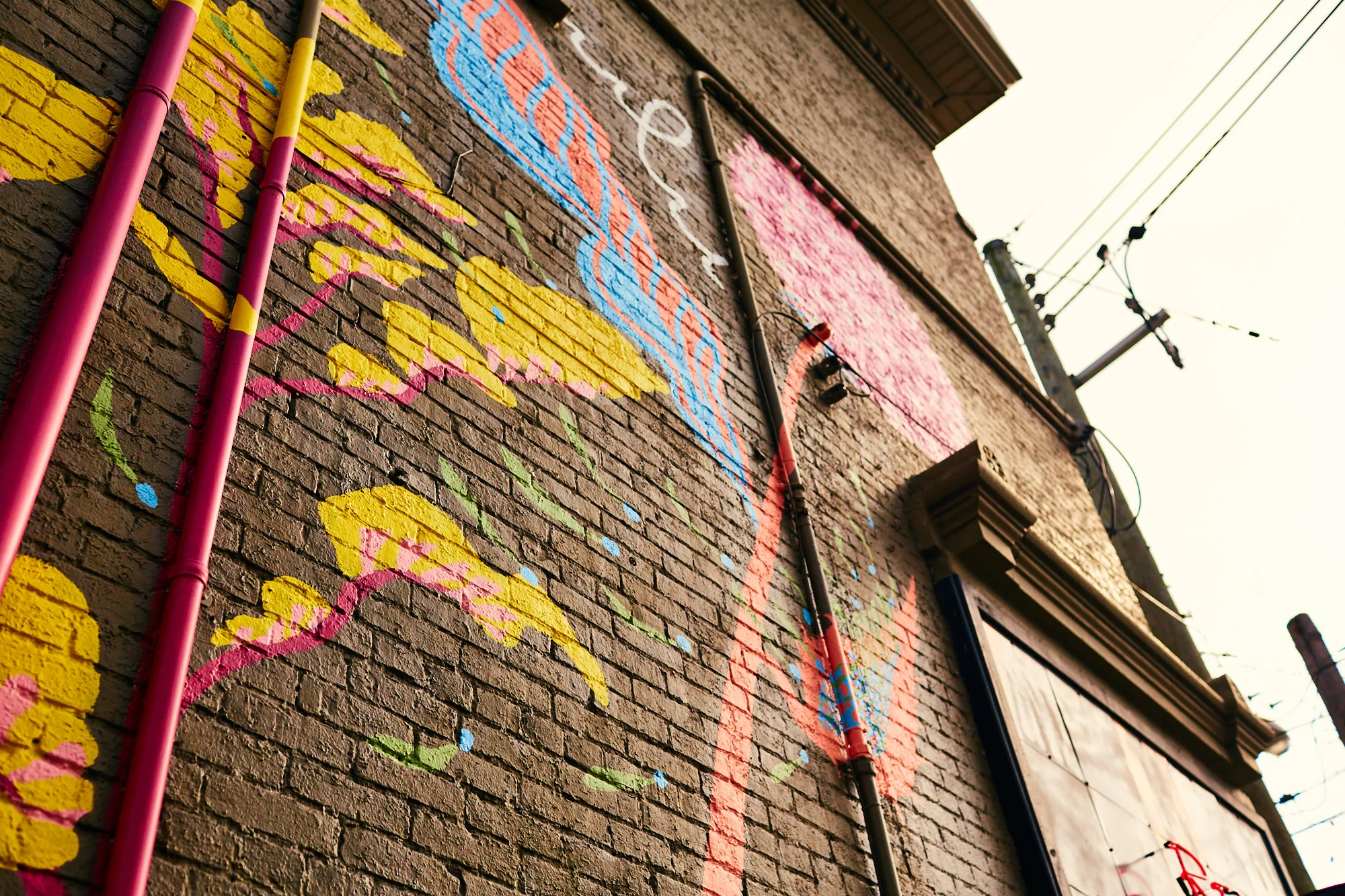
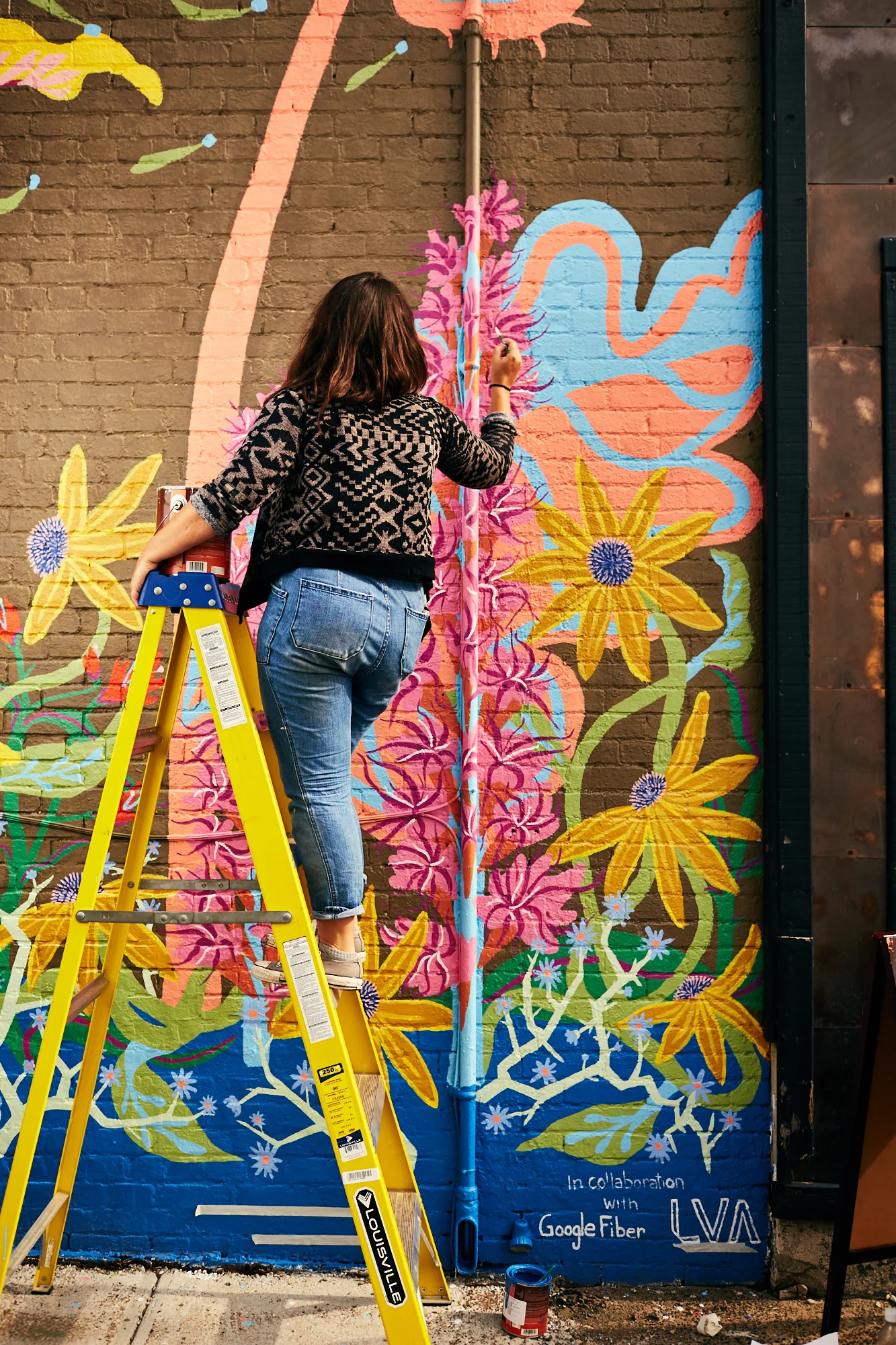
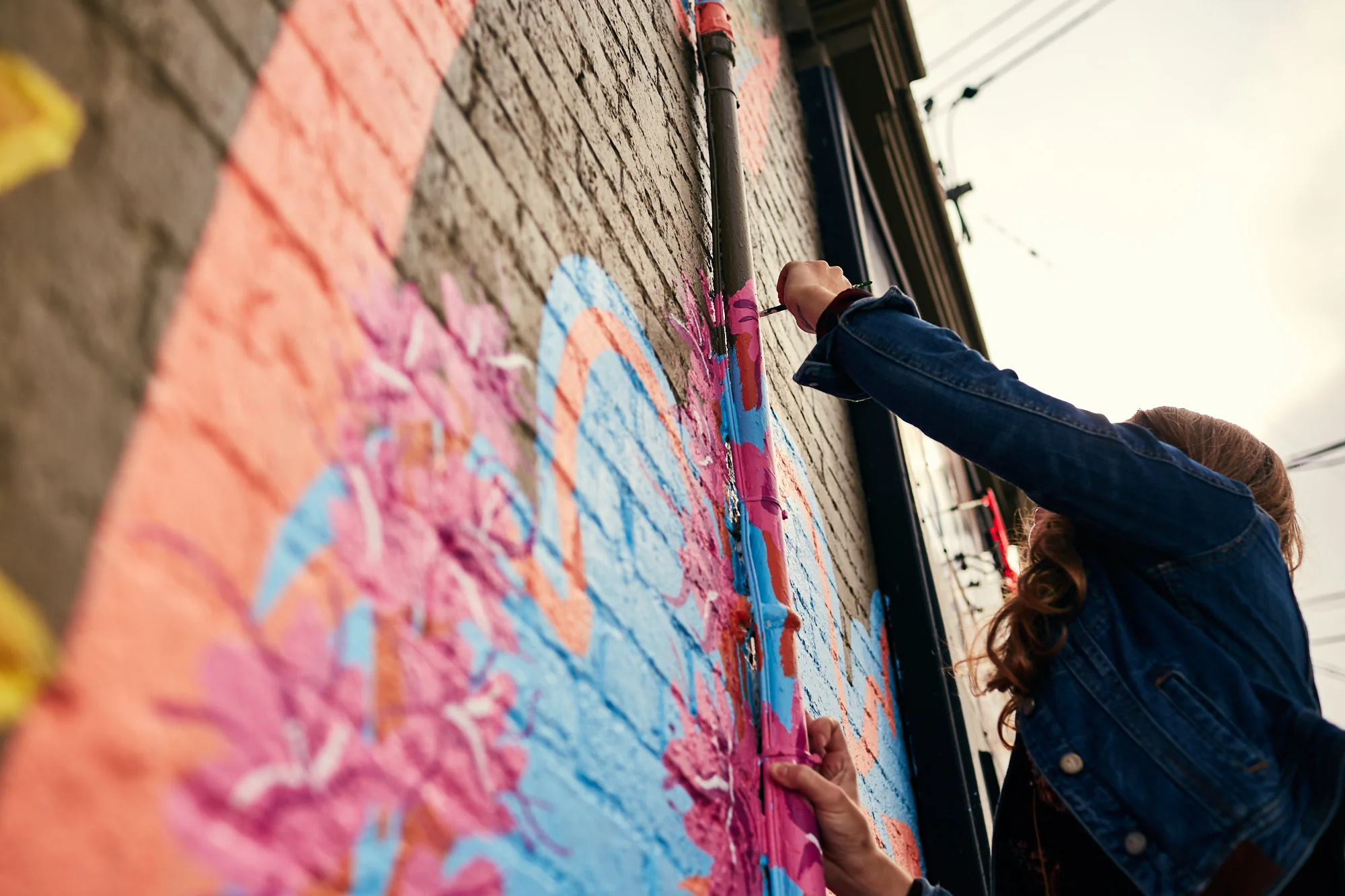
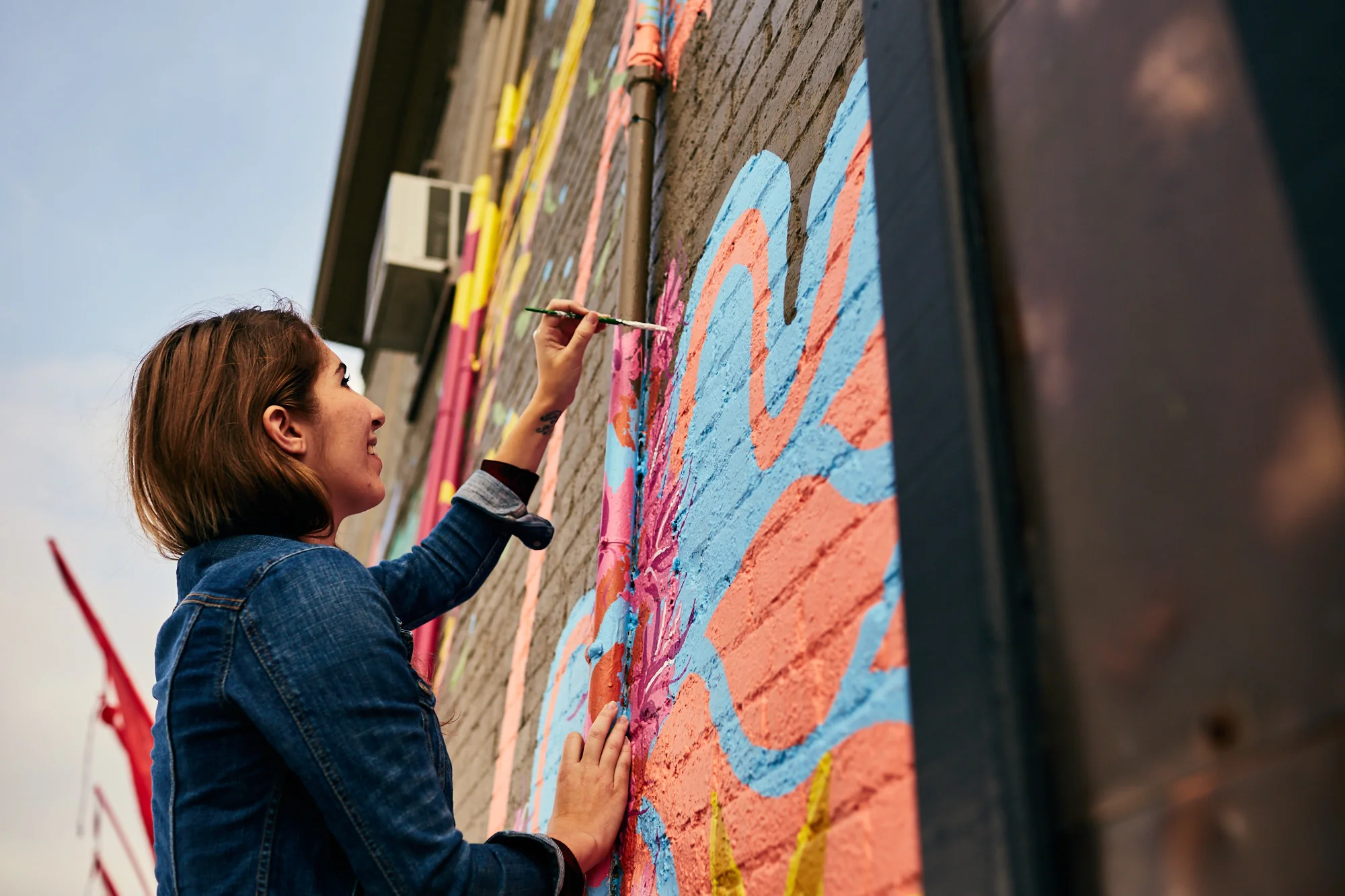
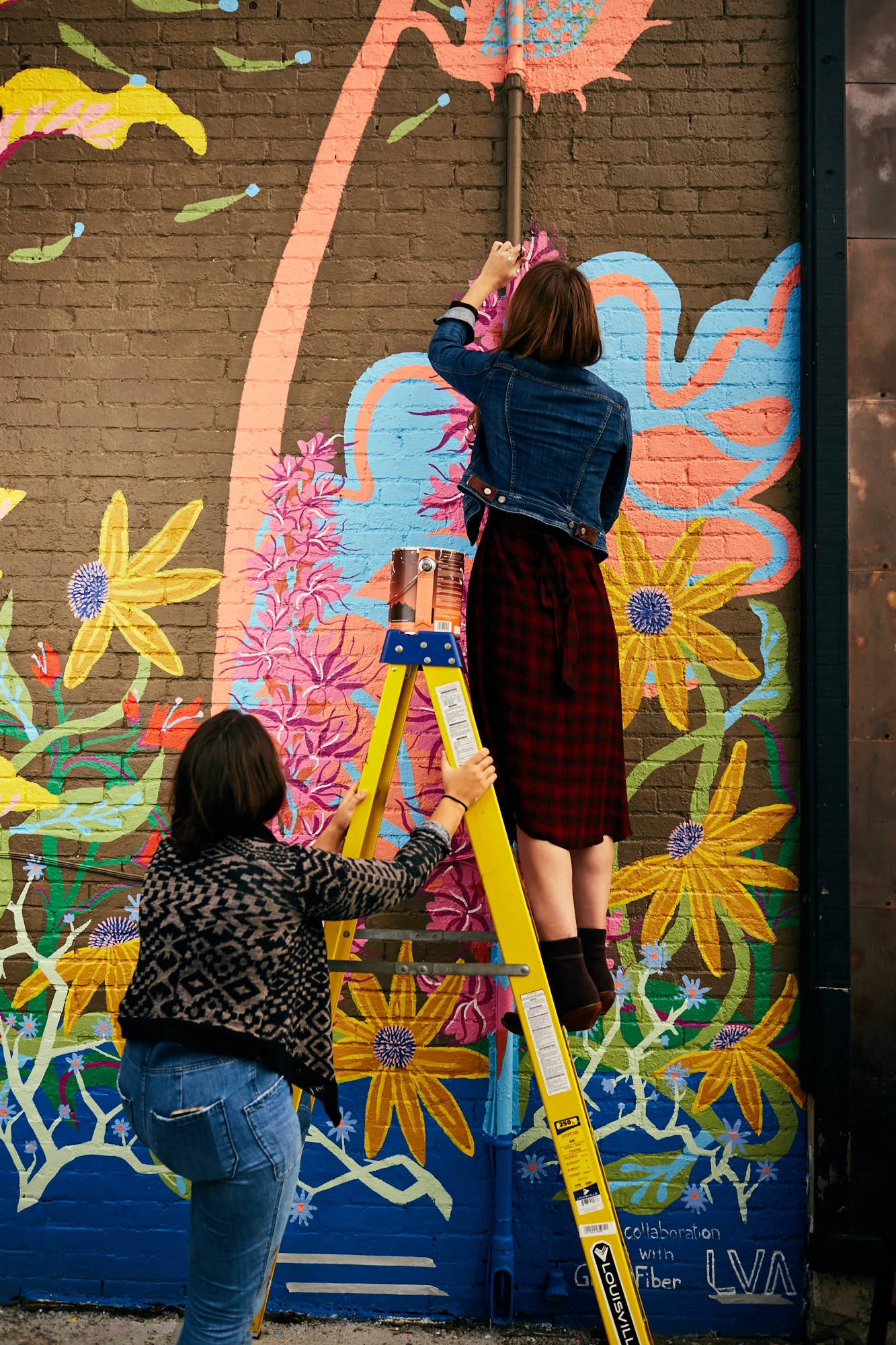
Liz Richter along with her best friend Bri Bowers, and local artists Michelle Montgomery, and Zara Goldbrg just finished this beautiful mural down in the Nulu District of Louisville on the corner of Market and Clay St. Louisville Visual Arts (LVA) coordinated the project for the new implementation of Google Fiber into the city. The project is being sponsored by Google Fiber. 

Liz Richter, photographed by Ryan Noltemeyer for Creative Space

"The mural is all Kentucky wildflowers that grow in this region. Each one was chosen not just for the shapes but with symbolic meanings as well. Woven throughout the mural are the themes of independent business and free thinking. Mint represents hospitality, Goldenrod is the state flower and represents good fortune. It is also a nod to Thomas Edison, who experimented with goldenrod (his historic home in Louisville is only blocks away). The blue at the bottom (bluegrass) represents connectivity and is Google Fiber blue. The largest plant is milkweed, which I chose as a symbol for Nulu. Milkweed is the host plant for the monarch butterfly. All milkweeds are perennials, meaning they survive for more than two years. They can grow in harsh conditions and have far-reaching impact through the scattered seeds. Technically a weed, their beauty is strange and exotic. A few more plants: Black-eyed Susan's represent encouragement/motivation;  the purple coneflower represents strength. The wildflower design was partially inspired by the lyrics to Tom Petty's song, You Belong Among the Wildflowers/You Belong Somewhere You Feel Free. Ironically I was listening to it while painting my proposal the night before he died (I had no idea)! So it's kind of become my tribute to him as well" - Liz Richter

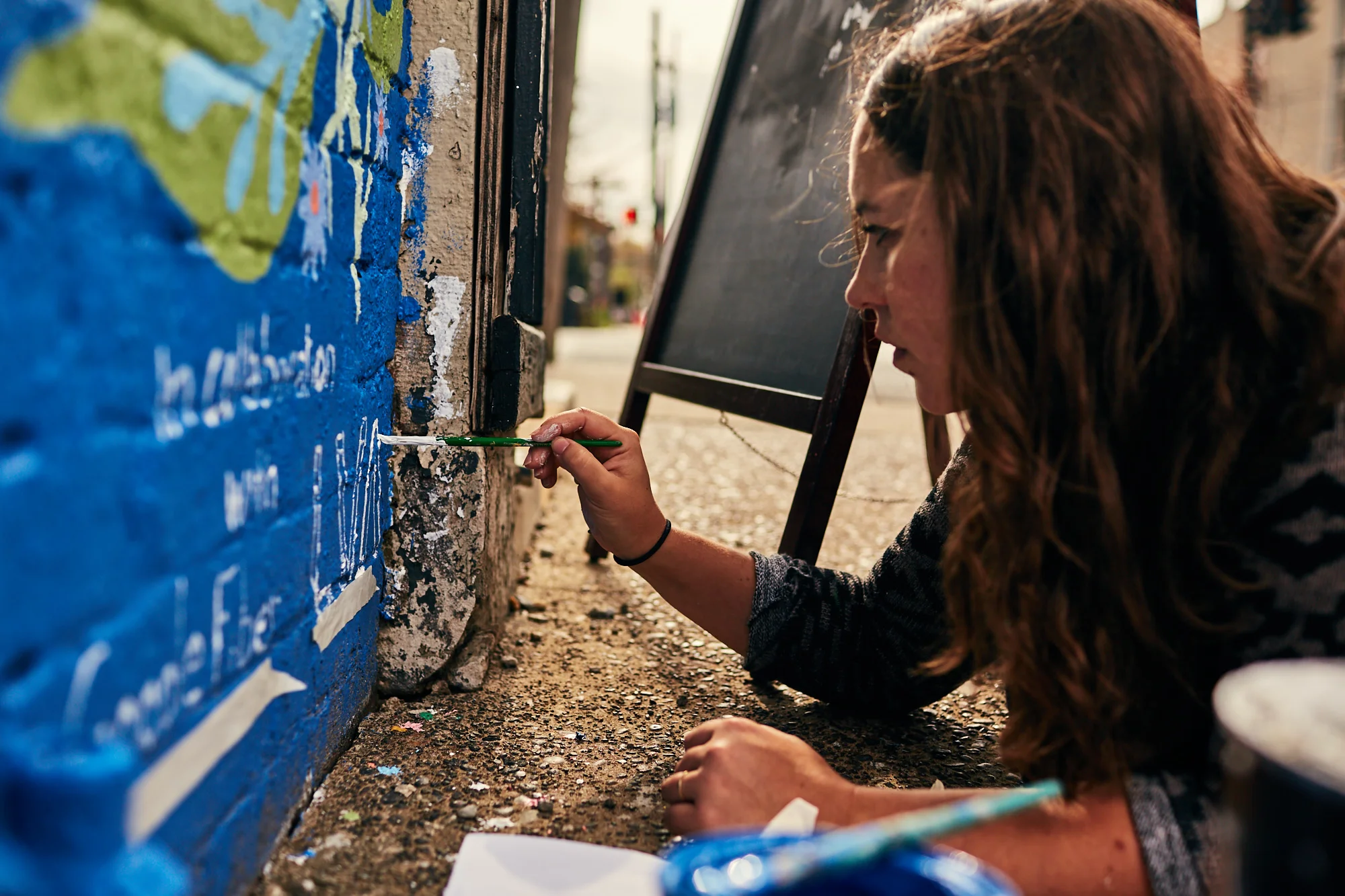
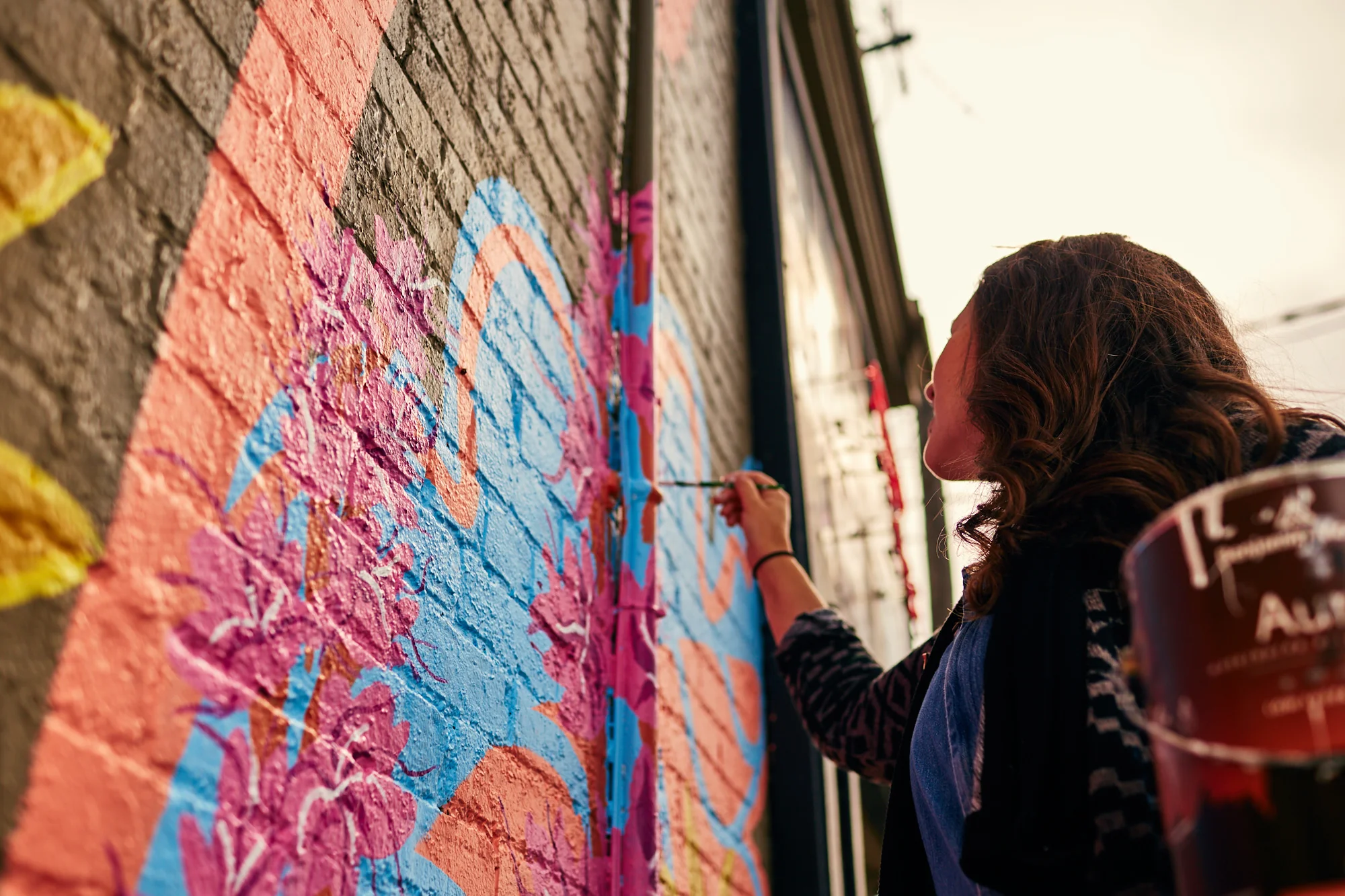
Liz Richter, photographed by Ryan Noltemeyer for Creative Space

Myself and other creatives are very excited about Google Fiber bringing faster and more affordable internet speeds to the city. After hearing about this project for Google Fiber and seeing some images on Liz's Instagram page I knew I wanted to include her in my project. With the vibrant colors of her mural as a backdrop, we did a couple portraits of her and then several "in-action" shots as she put some final touches and lettering on the piece. Below are all the photos in a slideshow, please enjoy and see all of Liz's work here: lizrichterart.com

For photo nerds, like myself, all images were taken with:


I Shot My First Film Commercial

For the past few months, I've been itching to get into the world of filmmaking and cinematography. Let me first preface this post with the fact that at heart I am a photographer and still have much to learn as a DP/cinematographer. I love a story in an image and the emotion that photography can have on viewers. Anyway, here is a spec shoot I did for Cayton & Crume, a local leather shop here in Louisville. Please enjoy and leave some feedback if you have any in the comments on this blog post at the bottom! Alo, check out the Clayton & Crume shop here: ClaytonAndCrume.com

Grease and Sweat

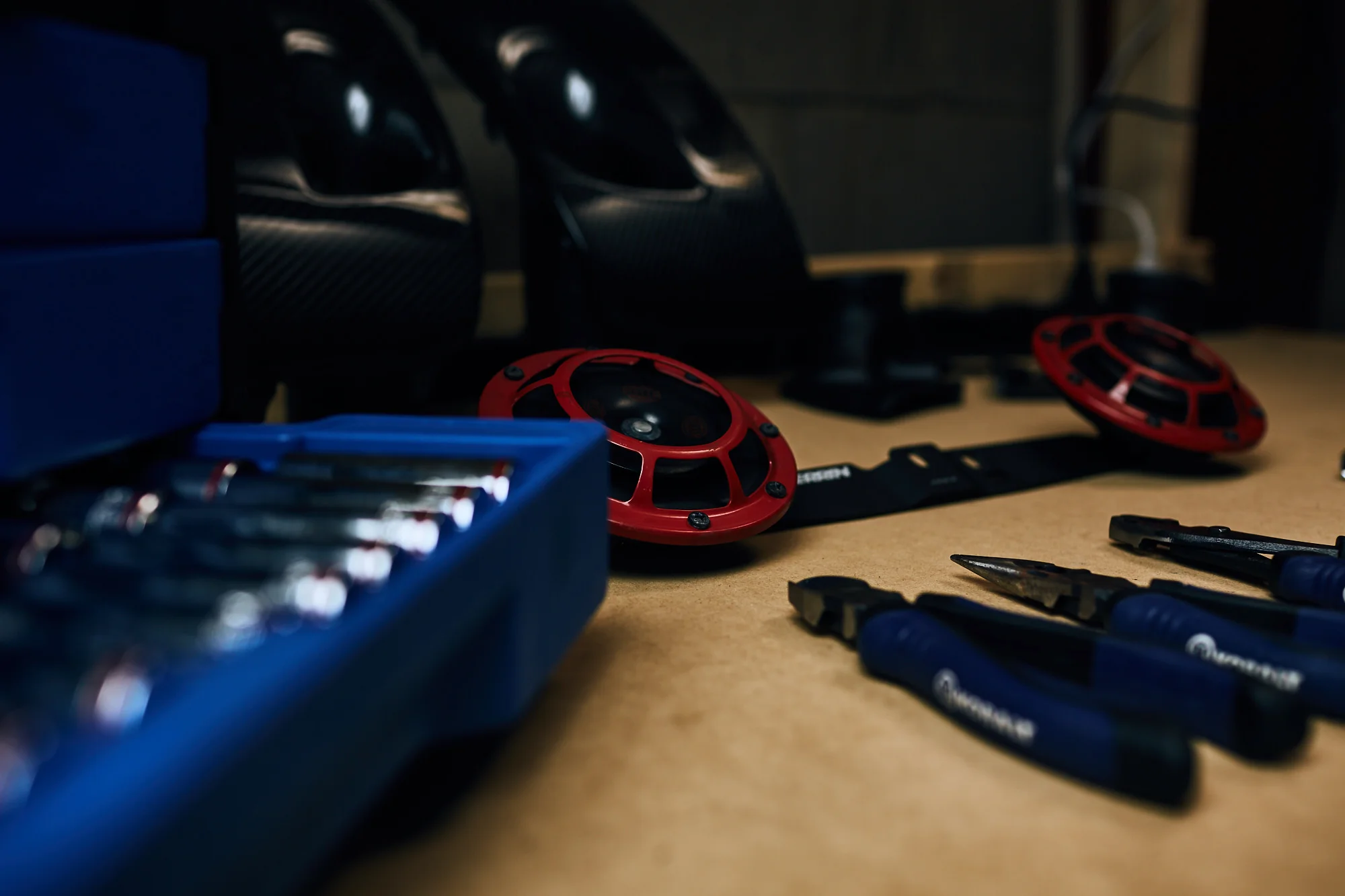
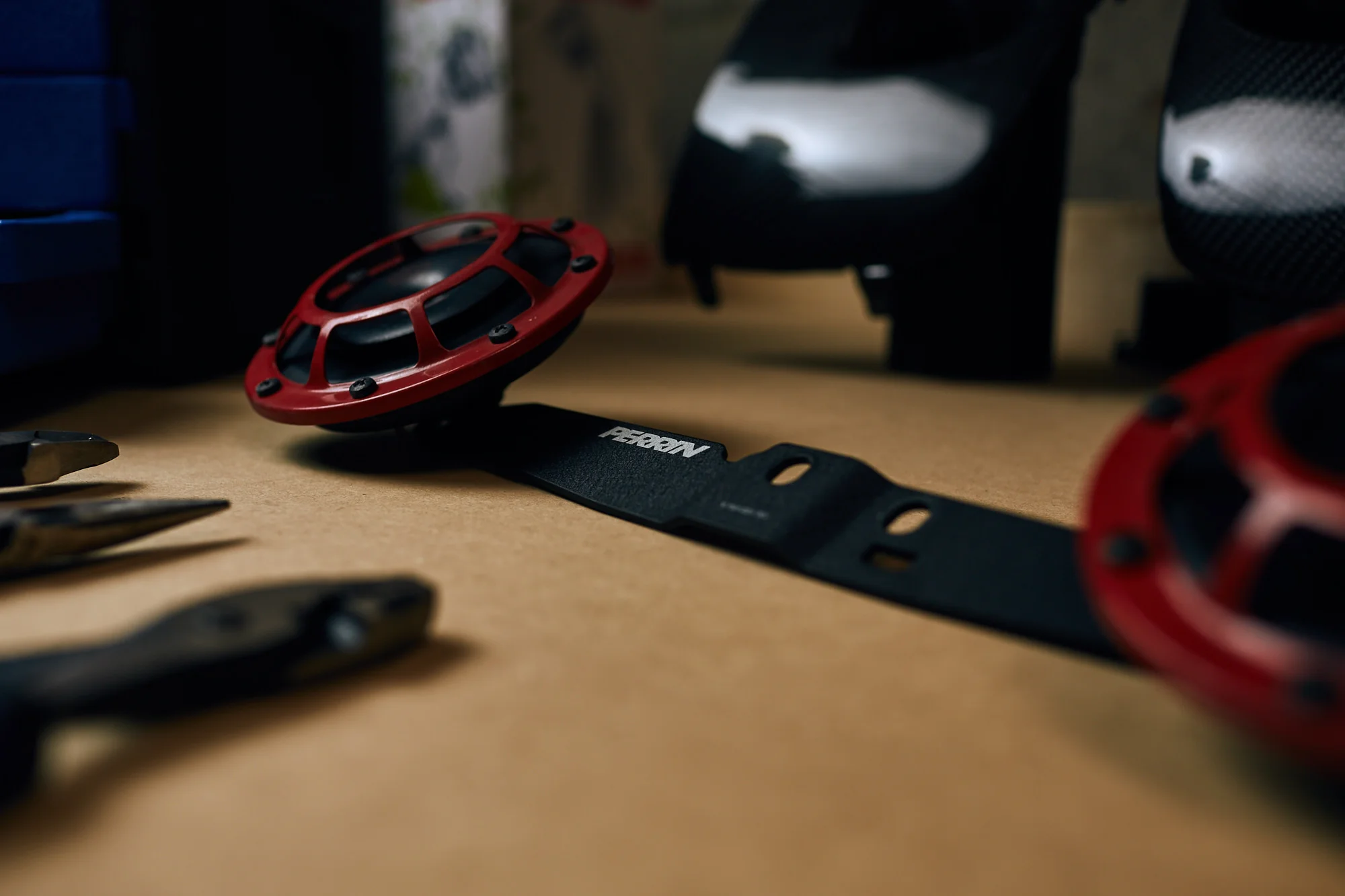
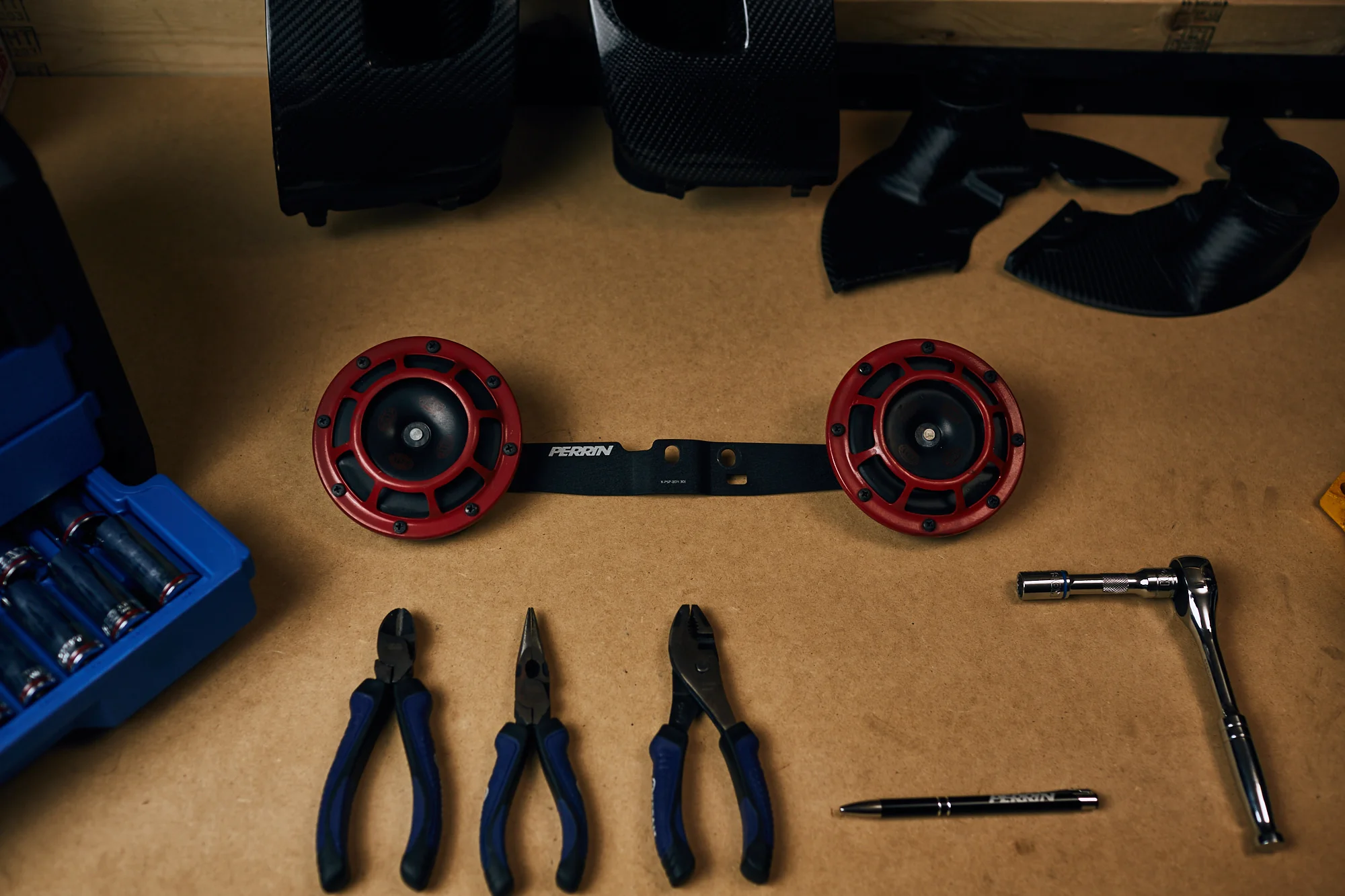
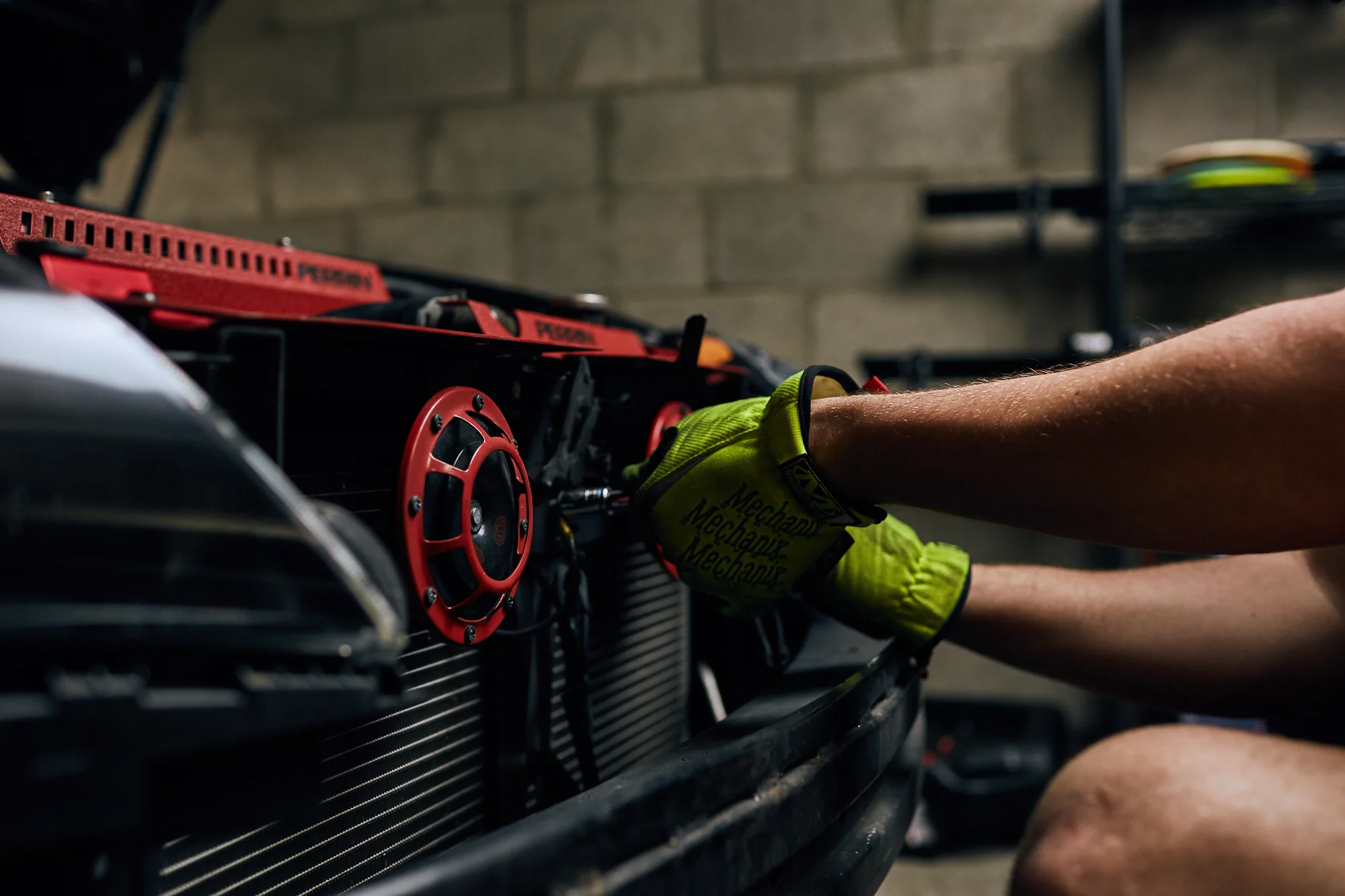
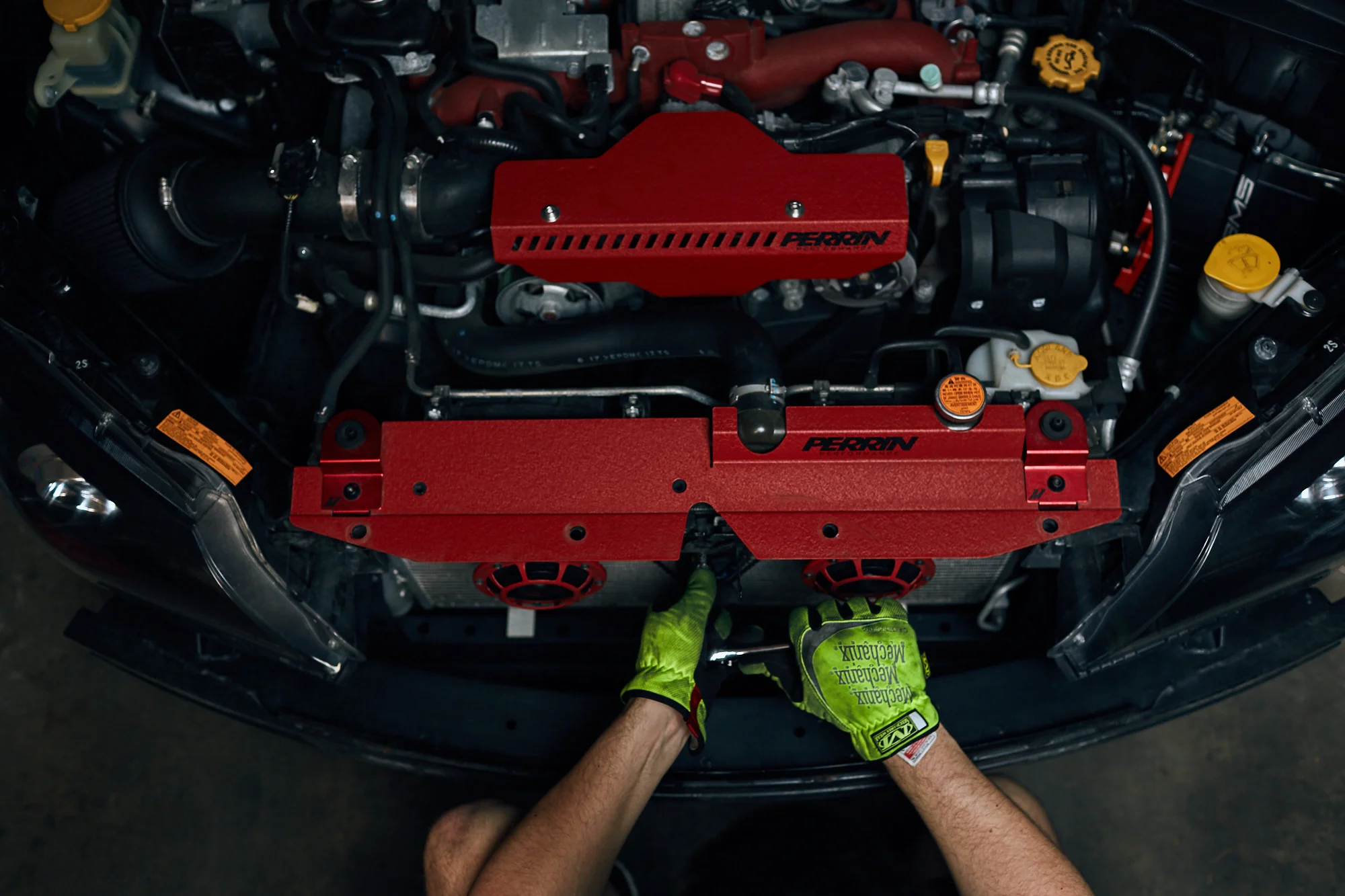
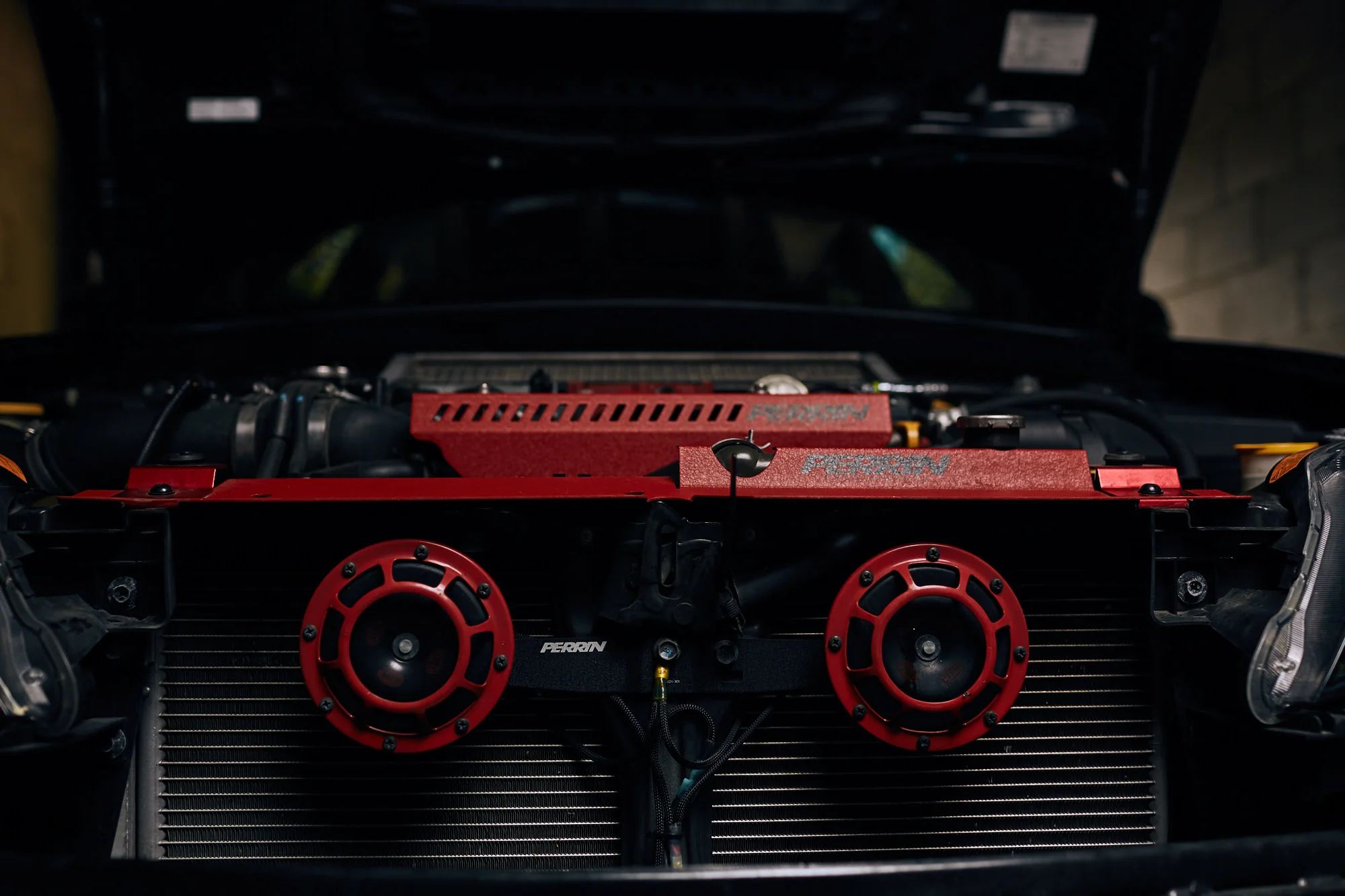
Here are some photos from my Subaru shoot the other day. This time the focus was on aftermarket parts and accessories. We installed a new pair of Perrin Hella Horns to the front. All the images were shot on a Canon 5D Mark III with a 35mm 1.4L lens tethered into Capture One Pro 10.  

I hope you enjoy these images. I really love how they turned out. Car photography is quickly becoming one of my favorite things to shoot. Be on the lookout in the coming months for some more!

SubaruInstall_20171007_05_WEB.jpg
SubaruInstall_20171007_07_WEB.jpg
Perrin Hella Horns
Installing Perrin Hella Horns on a Subaru WRX STI
This one (above) was my favorite image from the shoot

This one (above) was my favorite image from the shoot

Subaru WRX STI with Perrin Hella Horns

Backups on Backups

Nothing has been as scary in my photography journey as when my hard drive and entire laptop died with everything I have ever shot on it. This also included three photoshoots I did that week that were all due in the next two days.

I was not one for a streamlined workflow. My data management was kind of a mess with folders and files named horrifically like "jhbnfk_finalretouch_grade_resize_finalfinal". It was bad. Not to mention all my photos were in all in one place. Either on my MacBook Pro internal drive or an external drive, I called "Working Drive." Thankfully I had a software called BackBlaze install that continually backups everything on every hard drive. After dropping too much money on a new computer and a few hard drives I decided it was time for a change. 

Here is my new workflow. This is not a standard by any means. This is just what made sense in my head. There are two basic shooting scenarios I may find myself in. The preferable scenario would be shooting tethered. The other is shooting to two cards simultaneously in camera.

With the first one being the best I would have RAW images immediately import into Capture One and be stored in the field on a "Working Drive" and also a "Backup Drive." (The same would be true of the second scenario just instead of a computer and hard drives it would just be my camera and memory cards). That way there are two copies of the photos. Then once I am done with the shoot and post-processing, and once everything has been delivered to the client, the Capture One catalog along with the edits and RAW files can be archived on a larger hard drive back home called "Archive." Then overnight Windows (or on Mac a program called Carbon Copy Cloner) will make an exact copy of the contents of the "Archive" drive and put them on an identical hard drive called "Backup Archive". On top of all of that, there would be the BackBlaze cloud service linked to the Archive drive that would store all the info in the Cloud. That way I have two physical copies of the entire archive shoot and a cloud copy. If anything fails there should be a copy of it somewhere. 

Now as far as file structure that is a continual pursuit of making something that works. I think I am close but for now my file structure is pretty simple. Folders go something like this:

Folders

  • Year
    • Month
      • Shoot Name
        • CAPTURE (Tethered) or CARD
        • WORKING (PSD edits)
        • OUTPUT
        • FINAL

Files

  • Shootname_Date(YYYYMMDD)_SequenceNumber_ImageSize

Again, I am not saying this is the best. This is just where I am right now that seems to be working for now. Hopefully this will encourage those of you who don’t have a solid workflow to make on of your own that works for you. I looked up a bunch and tried various ones out. It wasn’t until I tried to come up with my own did I figure out what really works and what doesn’t. Here’s to a future of (hopefully) no lost data!

*Knocks on wood*

Here is a list of some nice hard drives I trust: